DevFest Saskatoon 2026: A Day of AI, Innovation, and Community
October 17, 2026 | University of Saskatchewan
More Than 100 Participants Gathered for DevFest Saskatoon 2026!
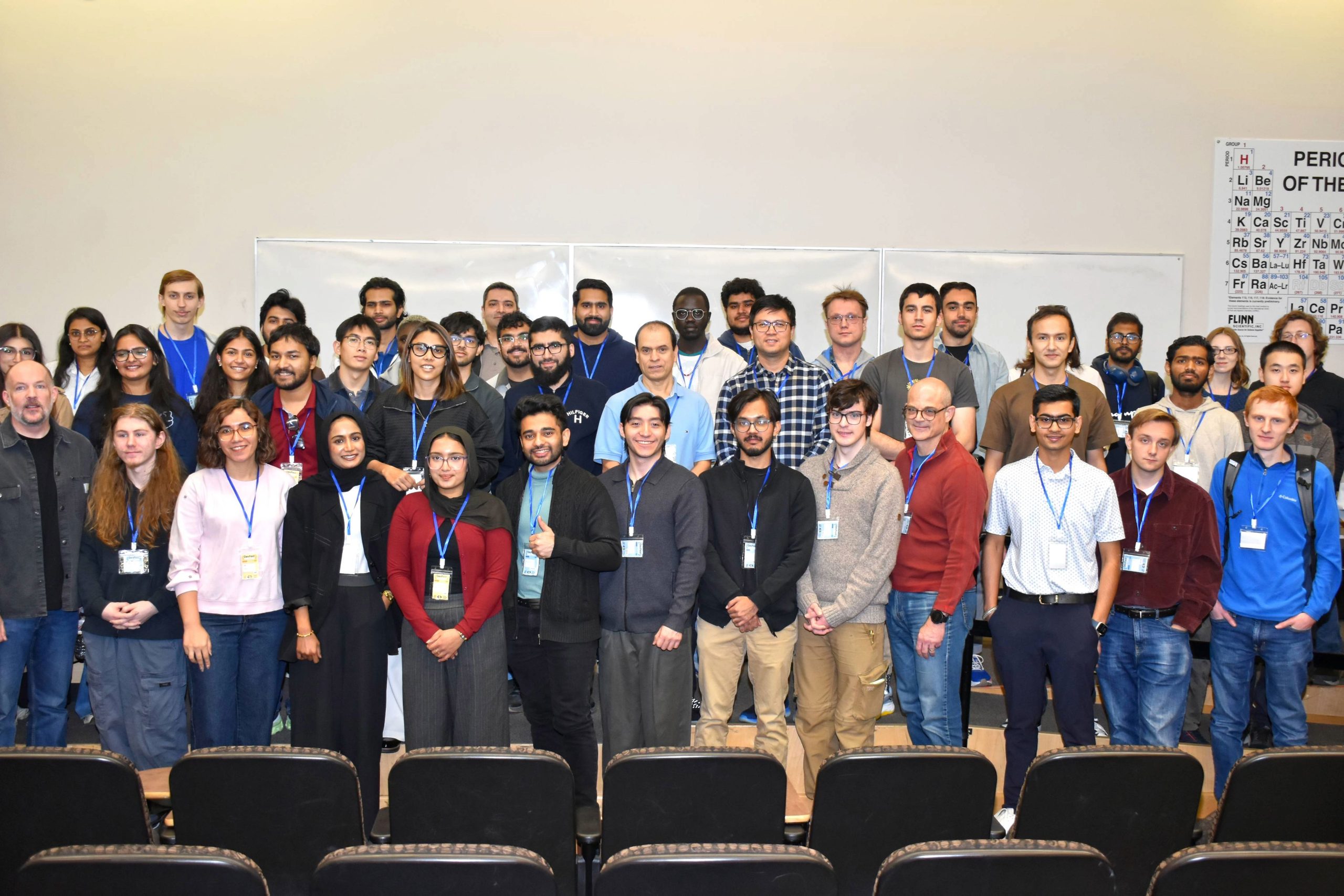
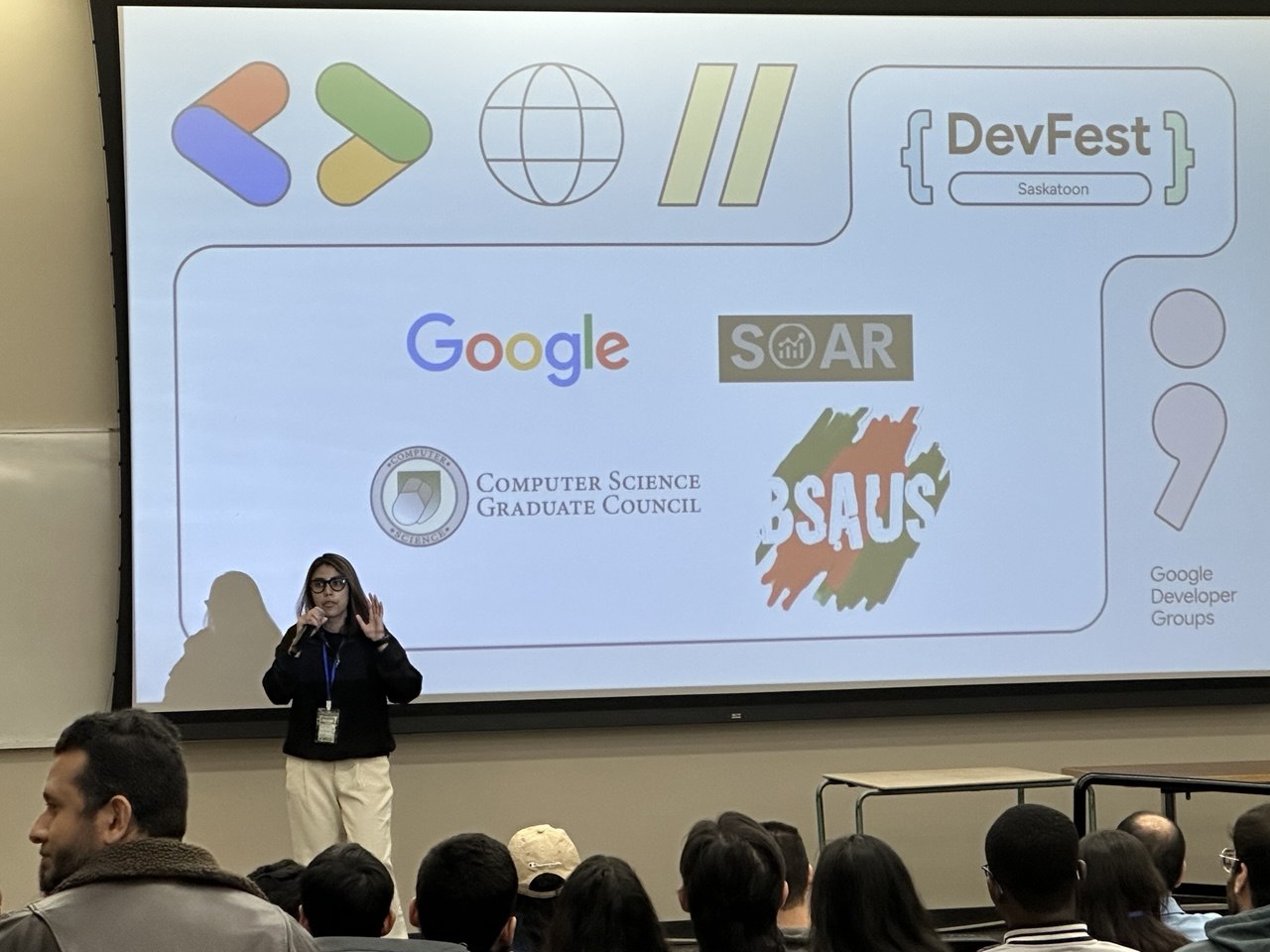
On Saturday, October 17, 2026, the Computer Science Graduate Council (CSGC), in partnership with Google Developer Groups (GDG) Saskatoon, hosted DevFest Saskatoon 2026: Code. Connect. Create. at the University of Saskatchewan.
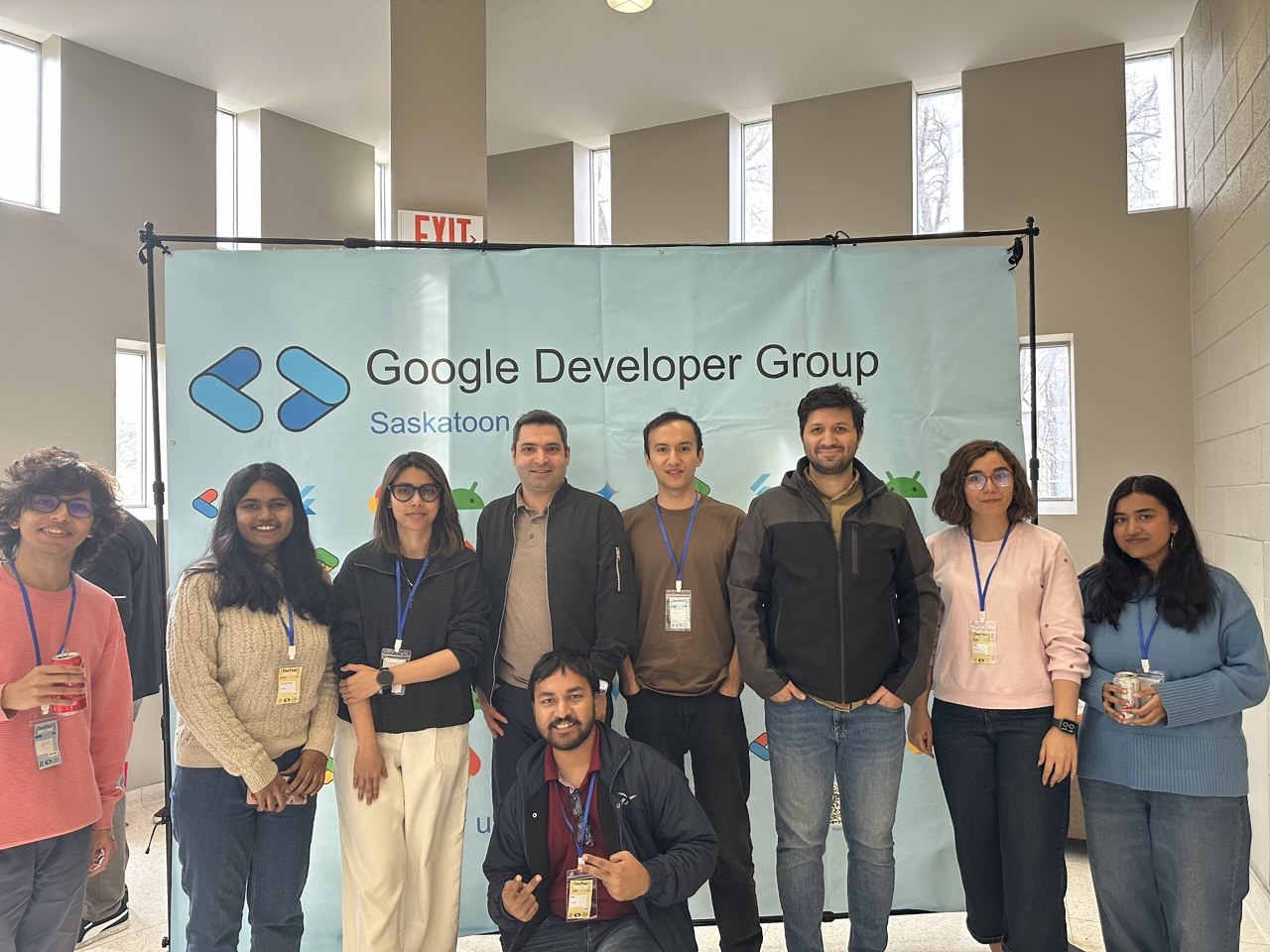
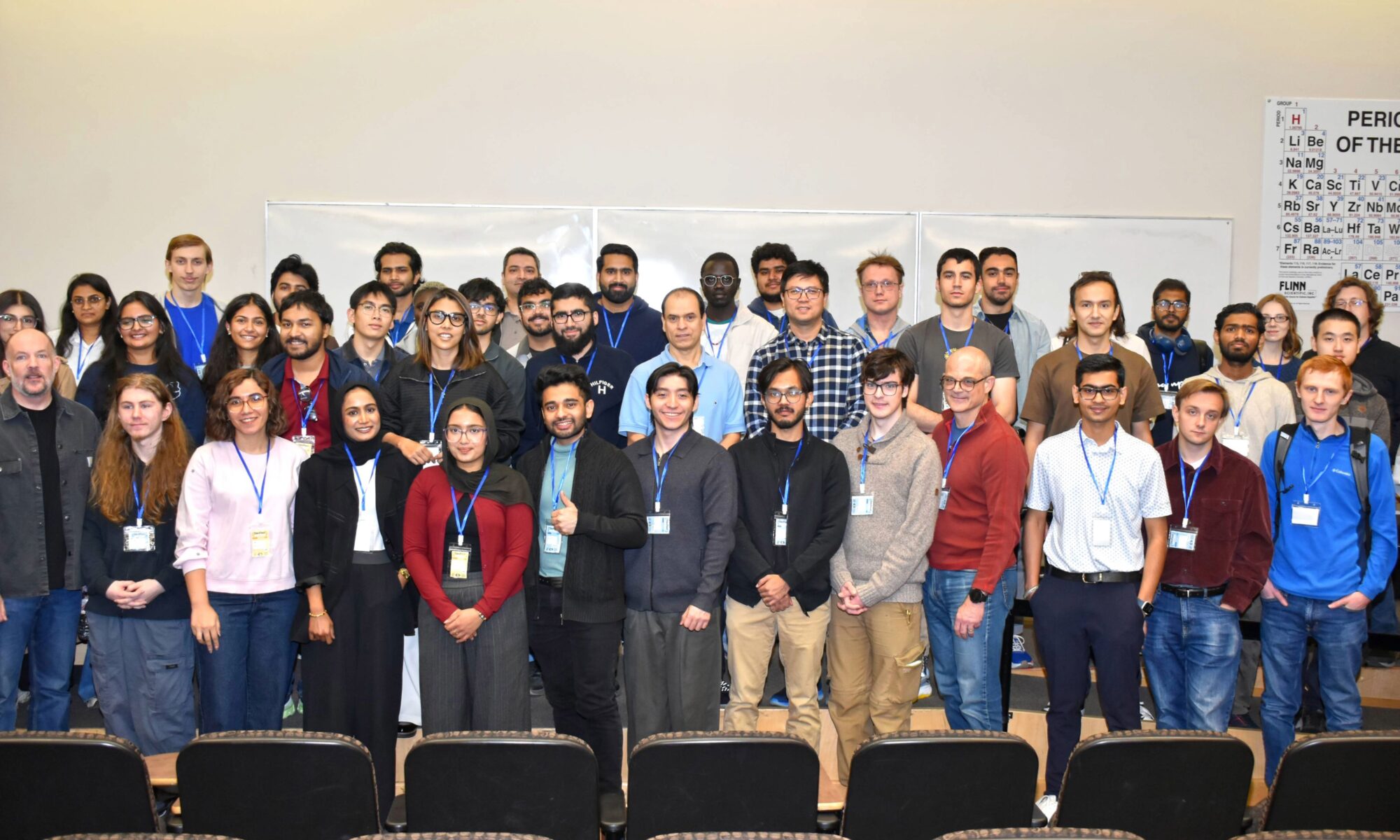
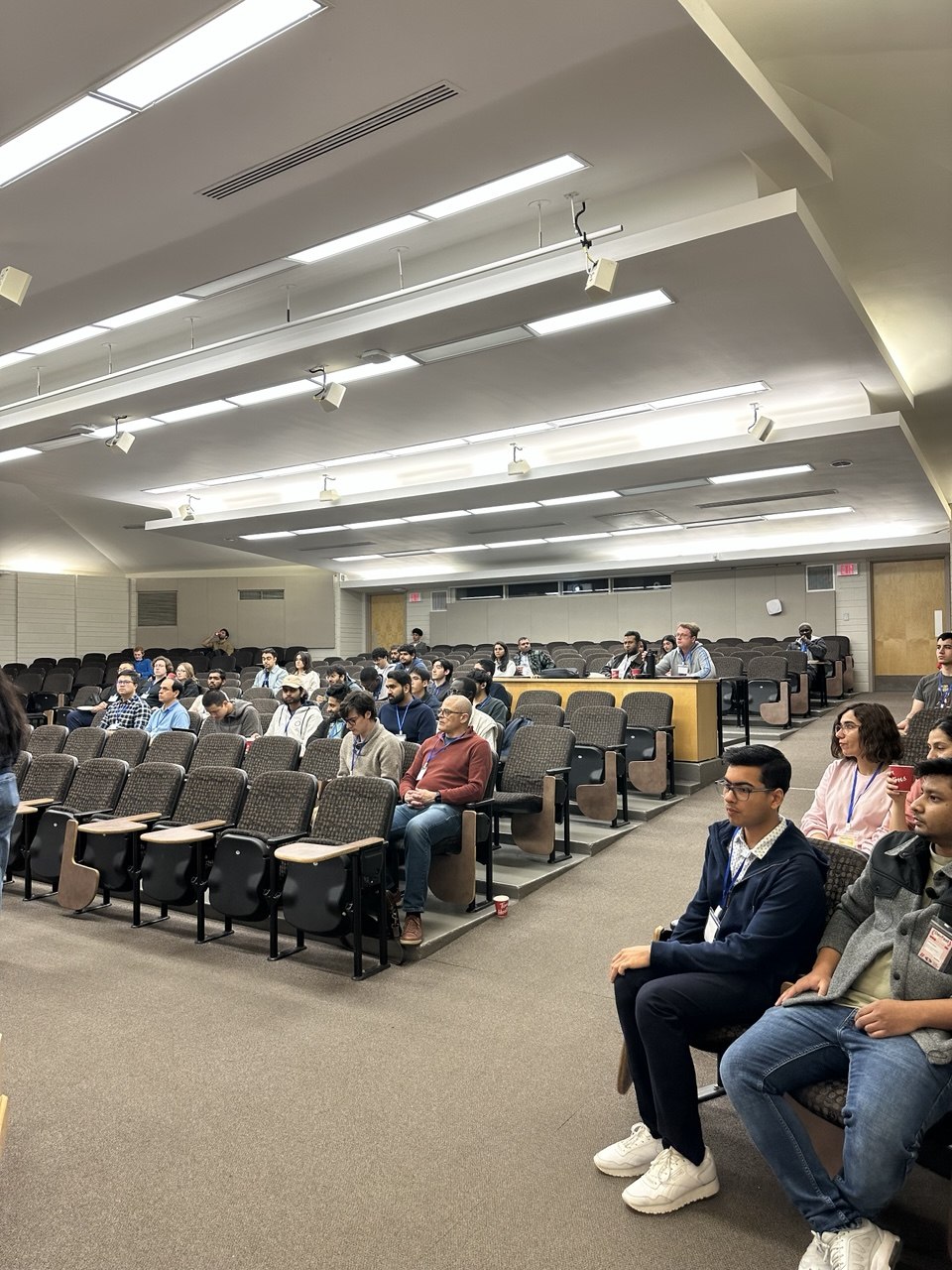
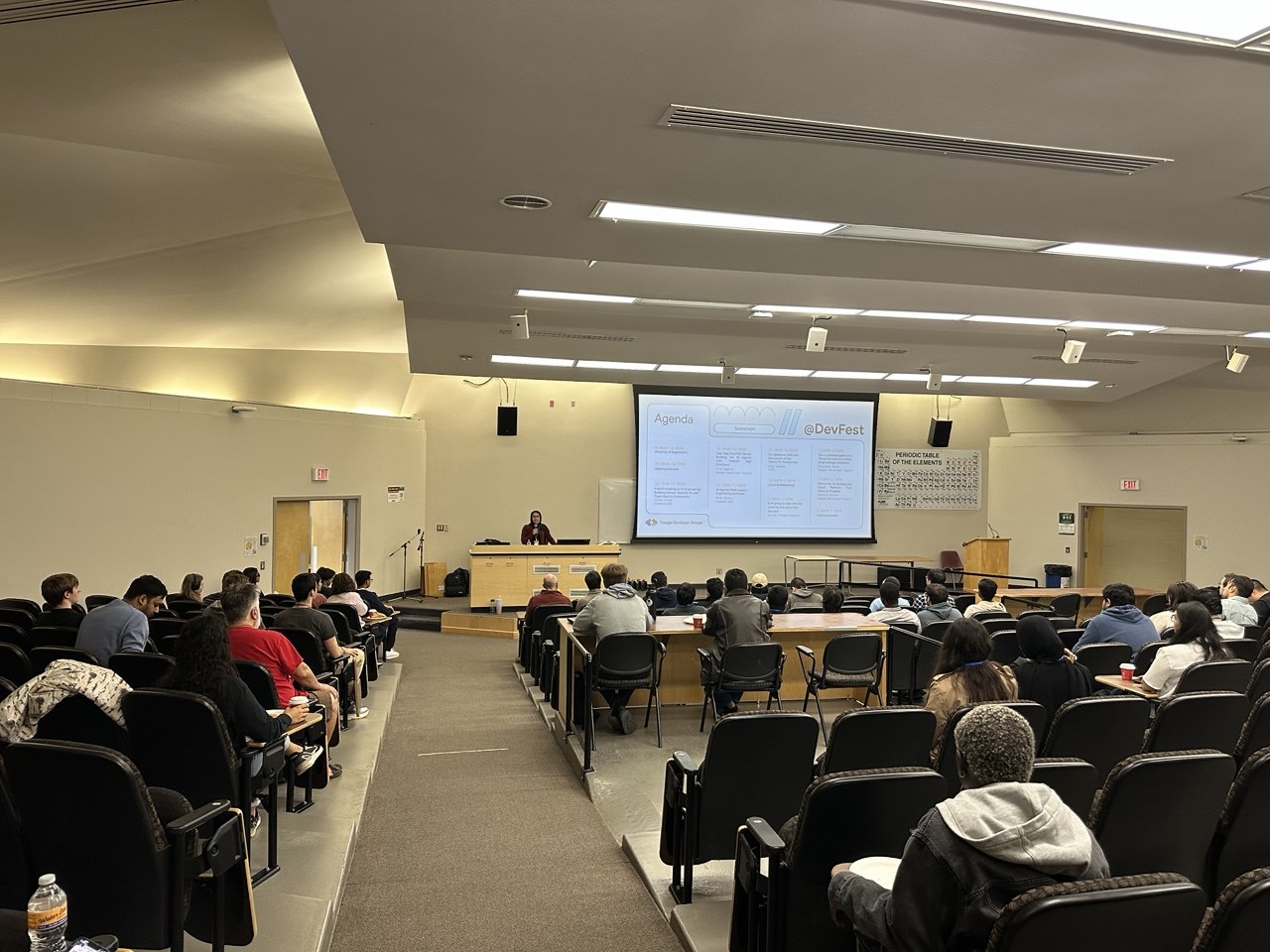
The event brought together more than 100 participants, including students, researchers, developers, and technology enthusiasts, for a day of learning, networking, and discussions about artificial intelligence, software engineering, cloud computing, and emerging technologies.
Featuring six speakers from academia, industry, and the broader technology community, DevFest Saskatoon 2026 provided an opportunity to explore practical AI applications, discover emerging trends, and connect with professionals working across different areas of computing.
A Warm Welcome: Breakfast, Registration, and Networking
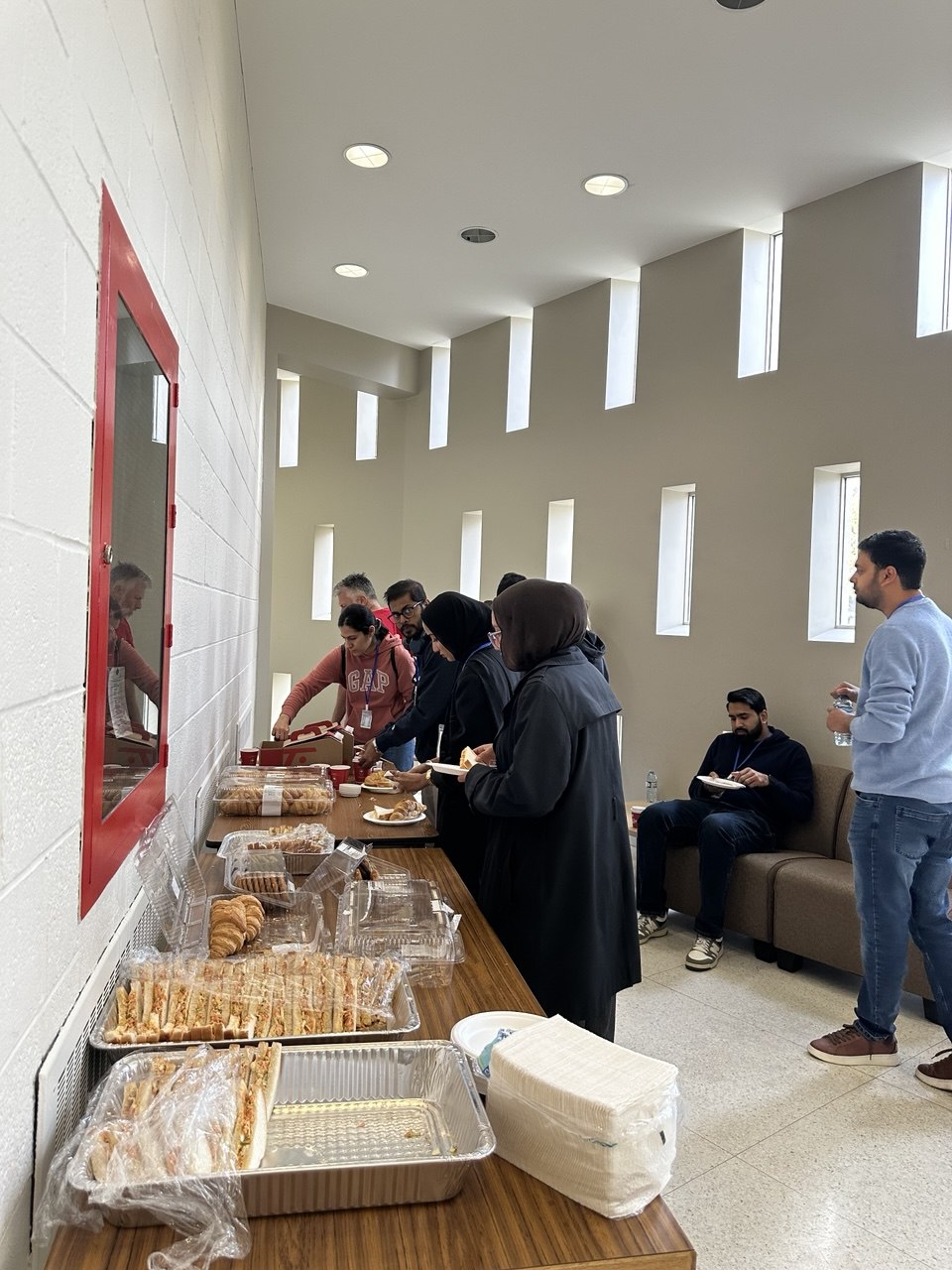
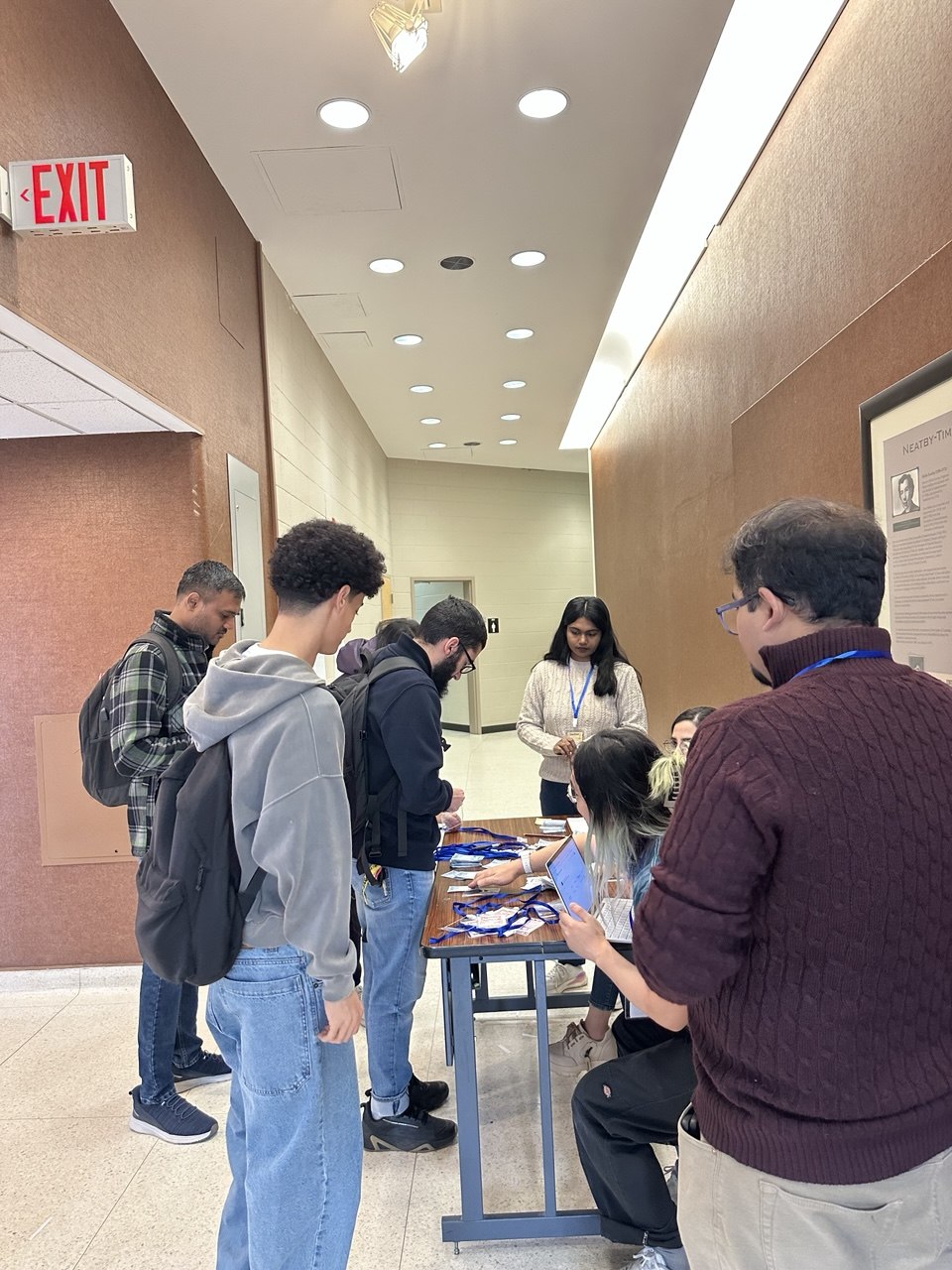
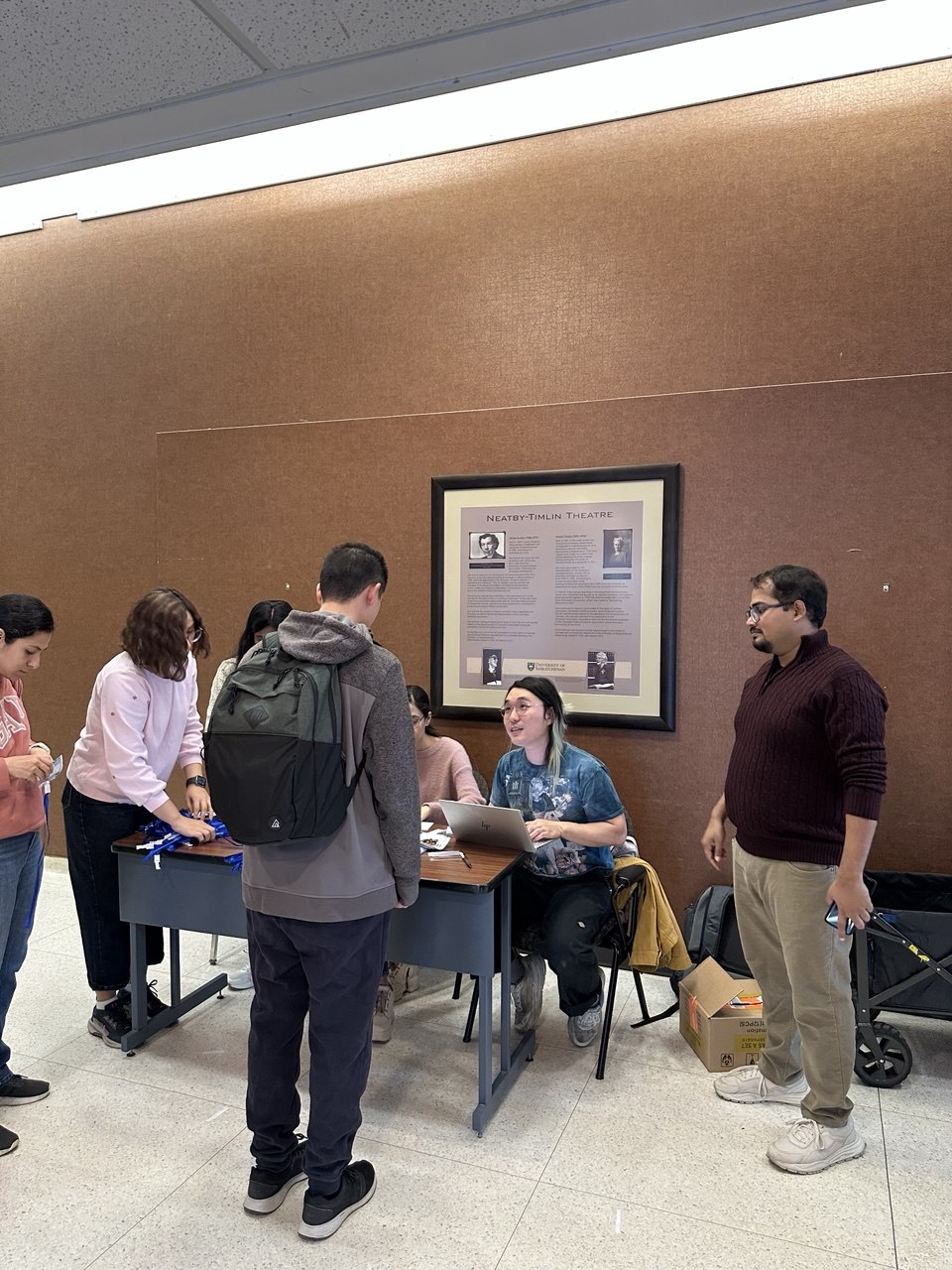
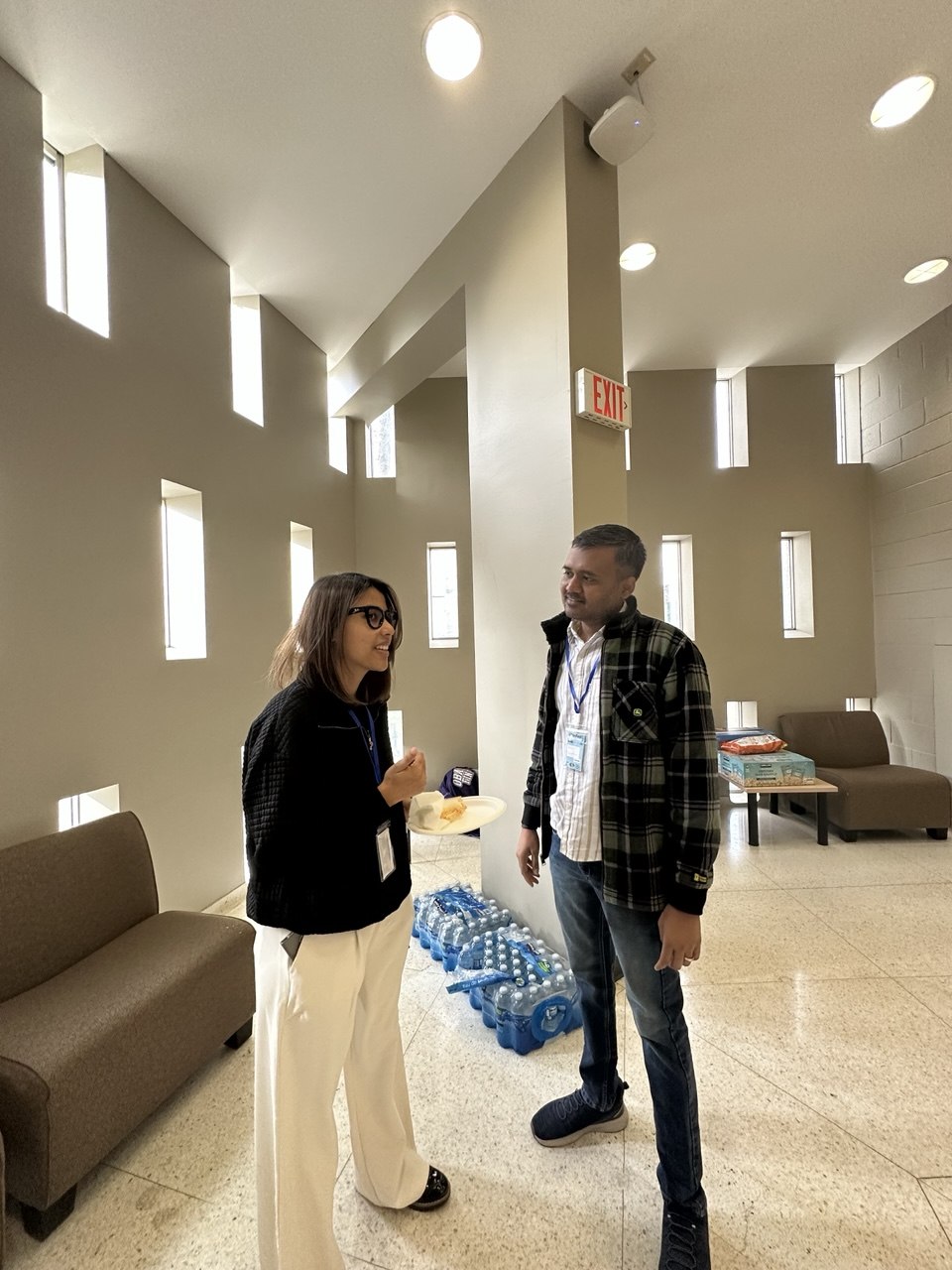
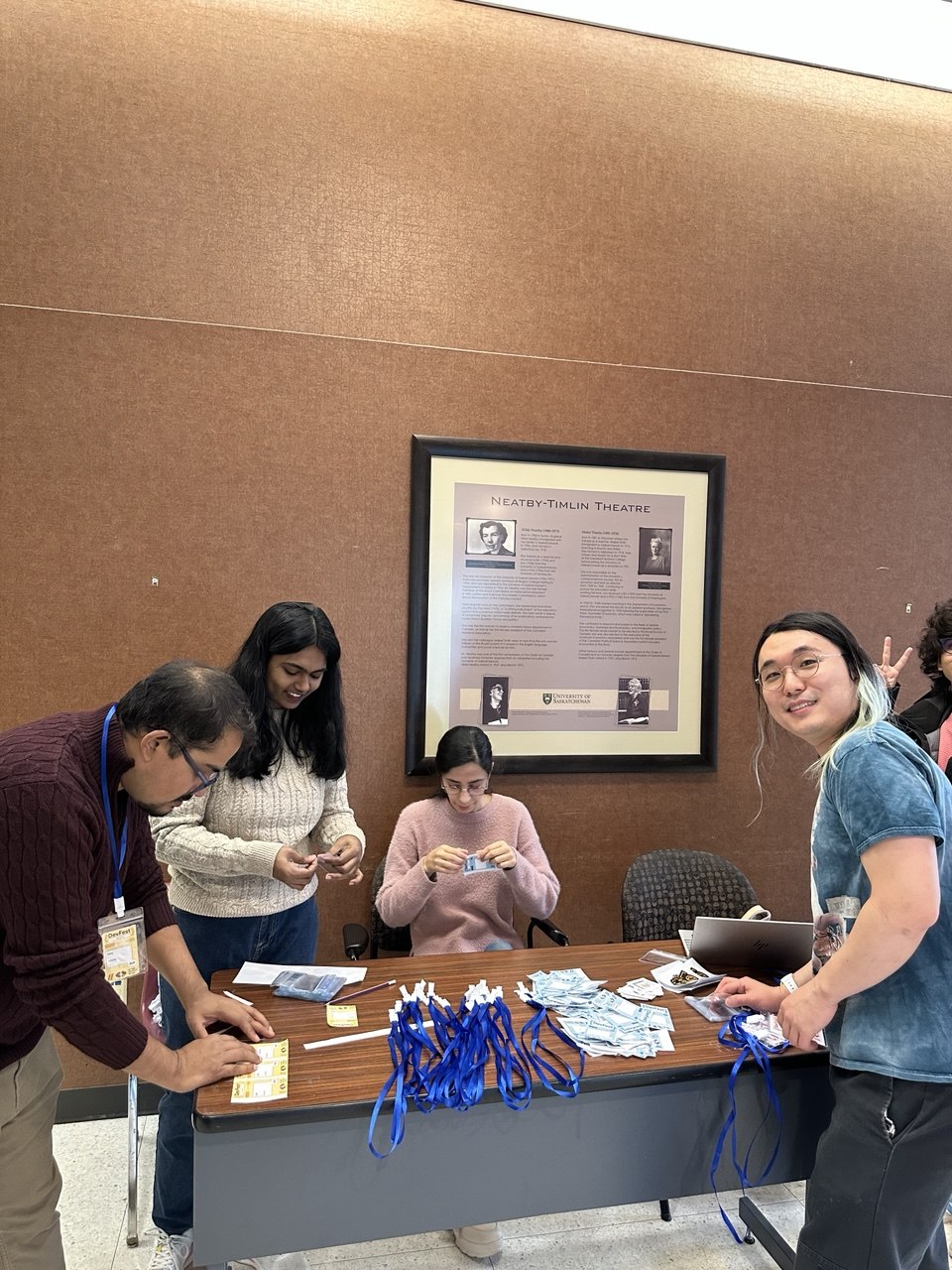
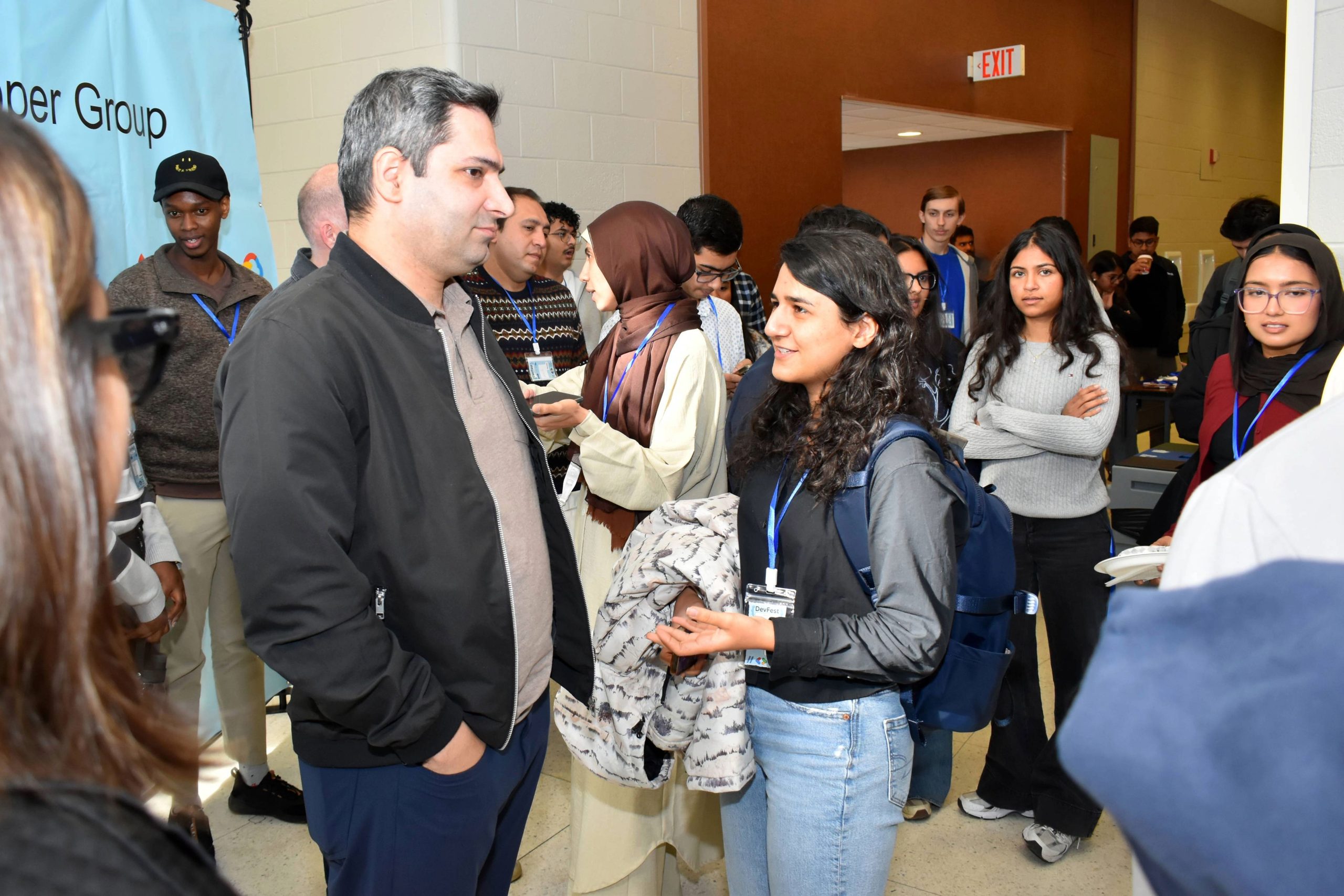
The day began with breakfast and registration, giving attendees an opportunity to meet fellow participants, connect with speakers and organizers, and exchange ideas before the technical sessions began.
The welcoming atmosphere helped set the stage for a day focused on knowledge sharing, collaboration, and community building.
Morning Session: AI Engineering, Intelligent Agents, and Saskatchewan’s AI Community
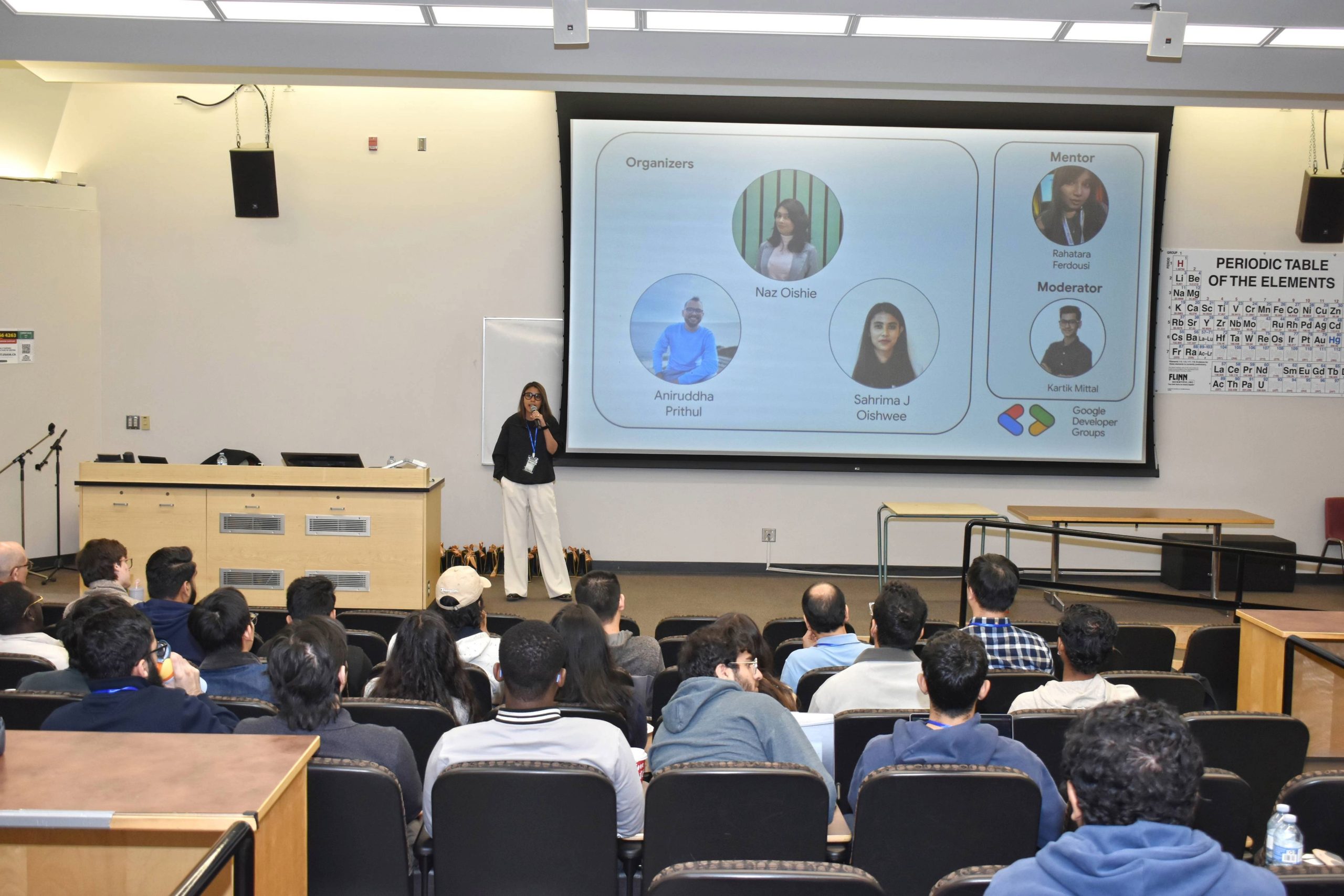
Following the opening remarks, the morning program featured three presentations exploring the practical development of AI systems, the integration of intelligent agents into established engineering workflows, and the growing AI ecosystem in Saskatchewan.
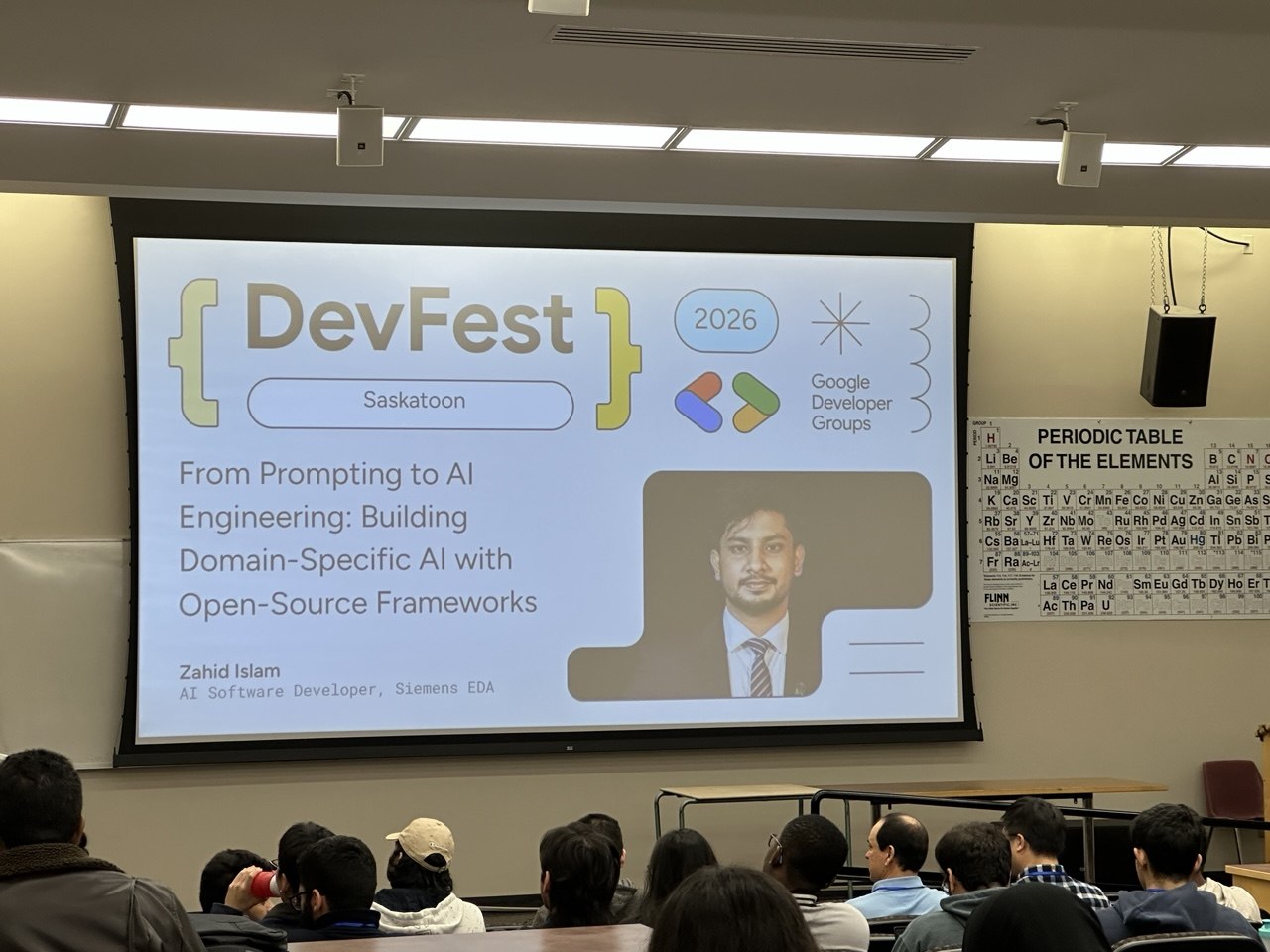
Zahid Islam – From Prompting to AI Engineering: Building Domain-Specific AI with Open-Source Frameworks
Speaker: Zahid Islam
Position: AI Software Developer, Siemens EDA, Saskatoon
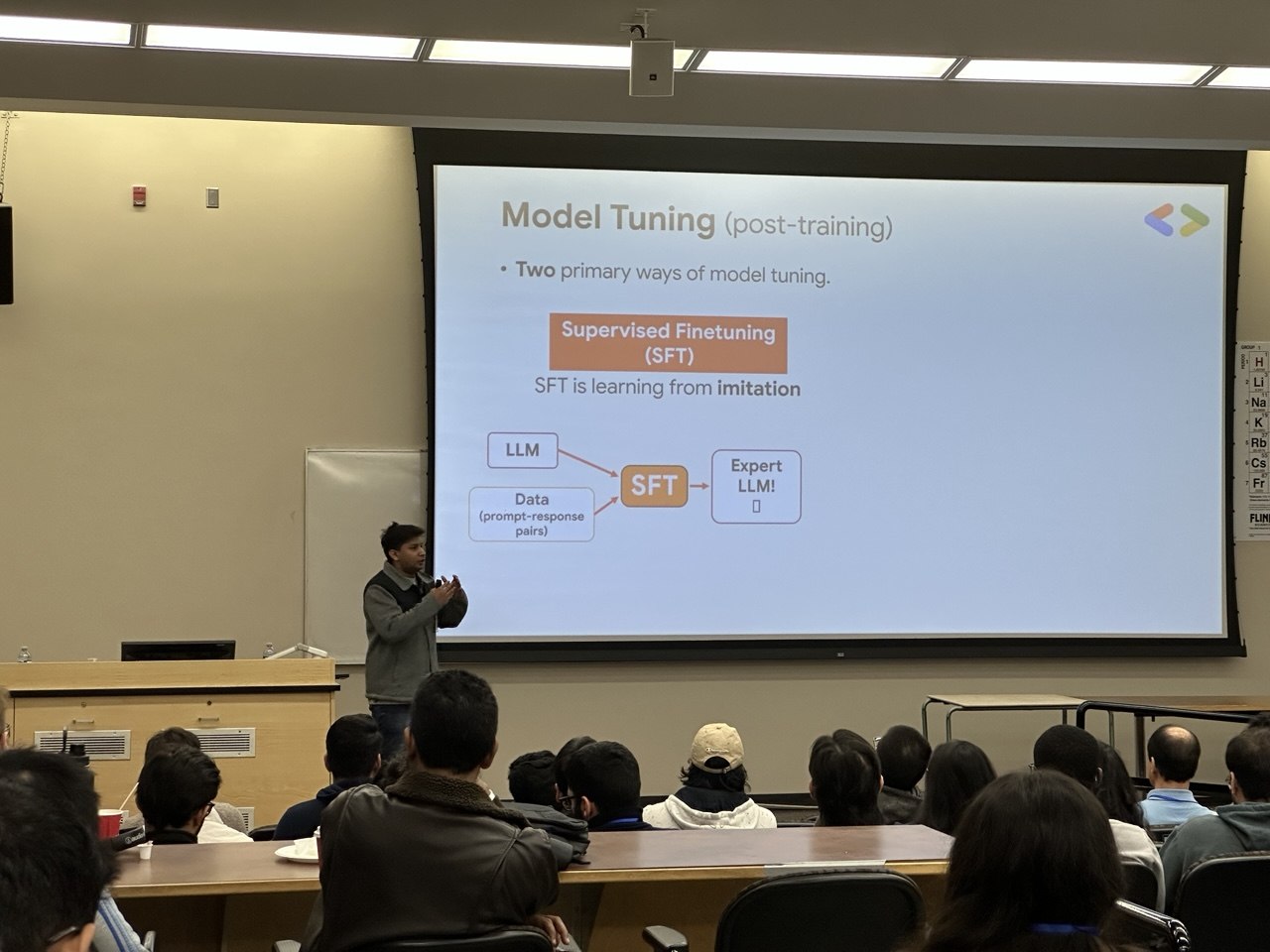
The first presentation was delivered by Zahid Islam, who explored the transition from using general-purpose large language models to developing specialized AI systems for real-world applications.
His talk, “From Prompting to AI Engineering: Building Domain-Specific AI with Open-Source Frameworks,” highlighted how pre-trained language models can be customized to address the specific requirements of businesses and research environments.
Zahid discussed practical techniques and technologies, including fine-tuning, knowledge distillation, Hugging Face, NVIDIA NeMo AutoModel, NeMo-Gym, and vLLM. Through a case study involving a specialized Academic Research Agent, he illustrated how open-weight models such as NVIDIA Nemotron and Alibaba Qwen can support the development and deployment of domain-specific AI applications.
The presentation offered participants insights into the tools and engineering practices involved in moving beyond basic prompting toward building practical AI solutions.
Nick Zhang – AI Agents Meet Legacy Engineering
Speaker: Nick Zhang
Position: Applications Engineer, Siemens EDA, Saskatoon
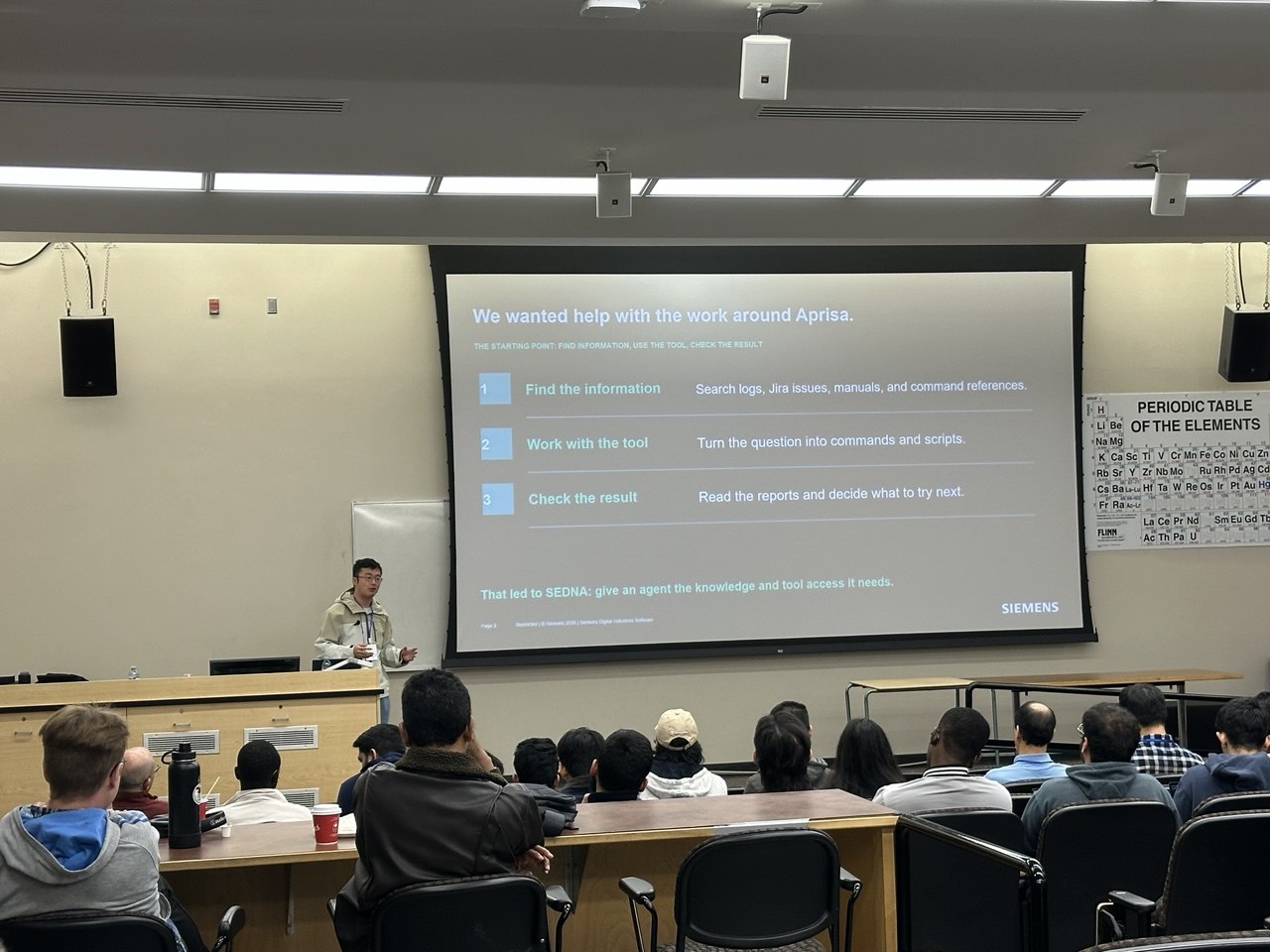
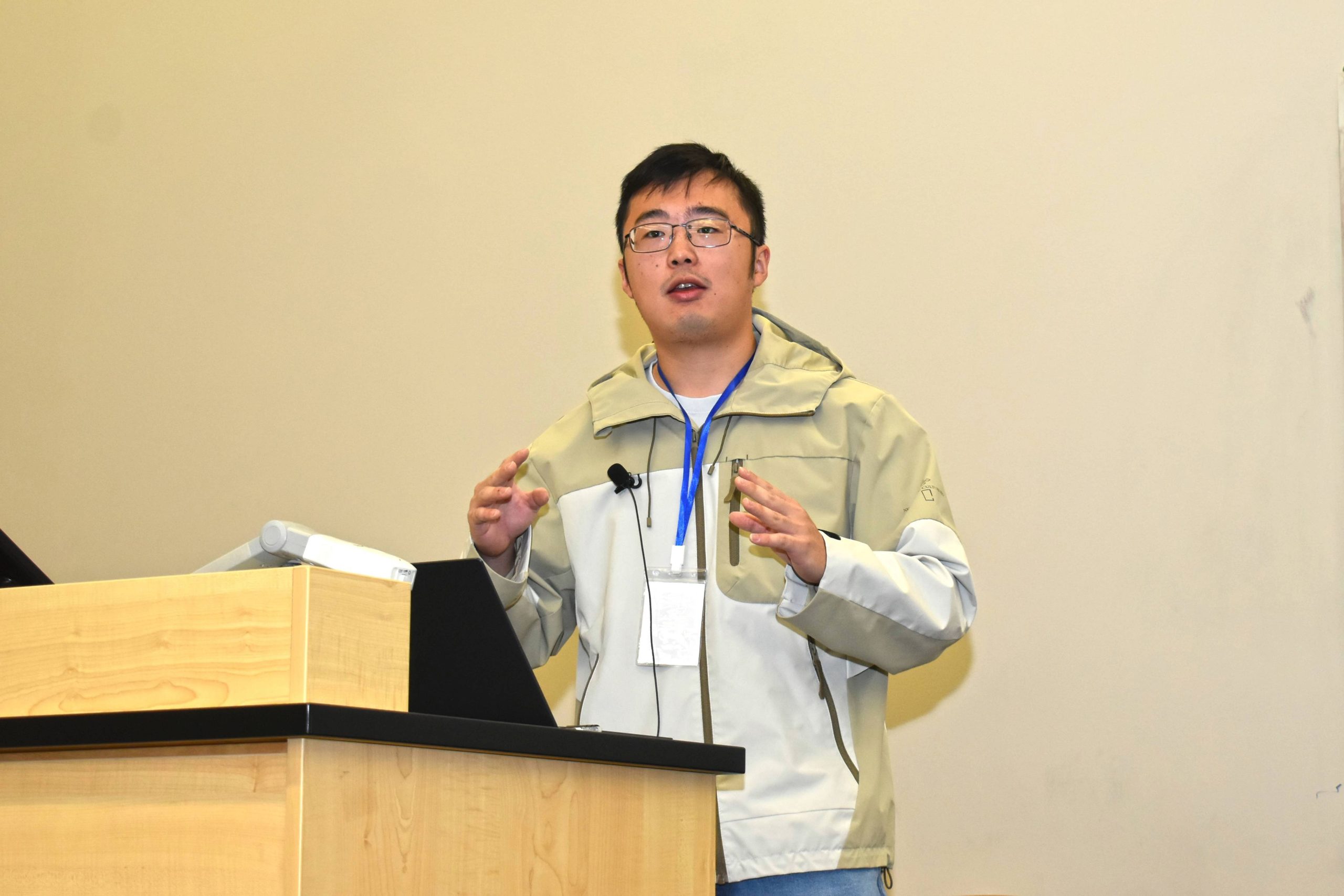
The second presentation was delivered by Nick Zhang, who discussed how AI agents can be integrated into traditional engineering environments.
In his talk, “AI Agents Meet Legacy Engineering,” Nick examined how the productivity improvements associated with AI-assisted software development could be extended to specialized engineering domains.
Using Electronic Design Automation (EDA) as a case study, he explored how intelligent agents can support engineers with individual tasks, coordinate complex workflows, and interact with established industry software.
He also discussed the challenges of introducing AI capabilities into specialized engineering tools and highlighted opportunities for improving efficiency through intelligent automation.
Alex Fallon – AiSK Update, SASK AI EXPO Preview, and Datanomics
Speaker: Alex Fallon
Position: Founder, AiSK (Artificial Intelligence Saskatchewan)
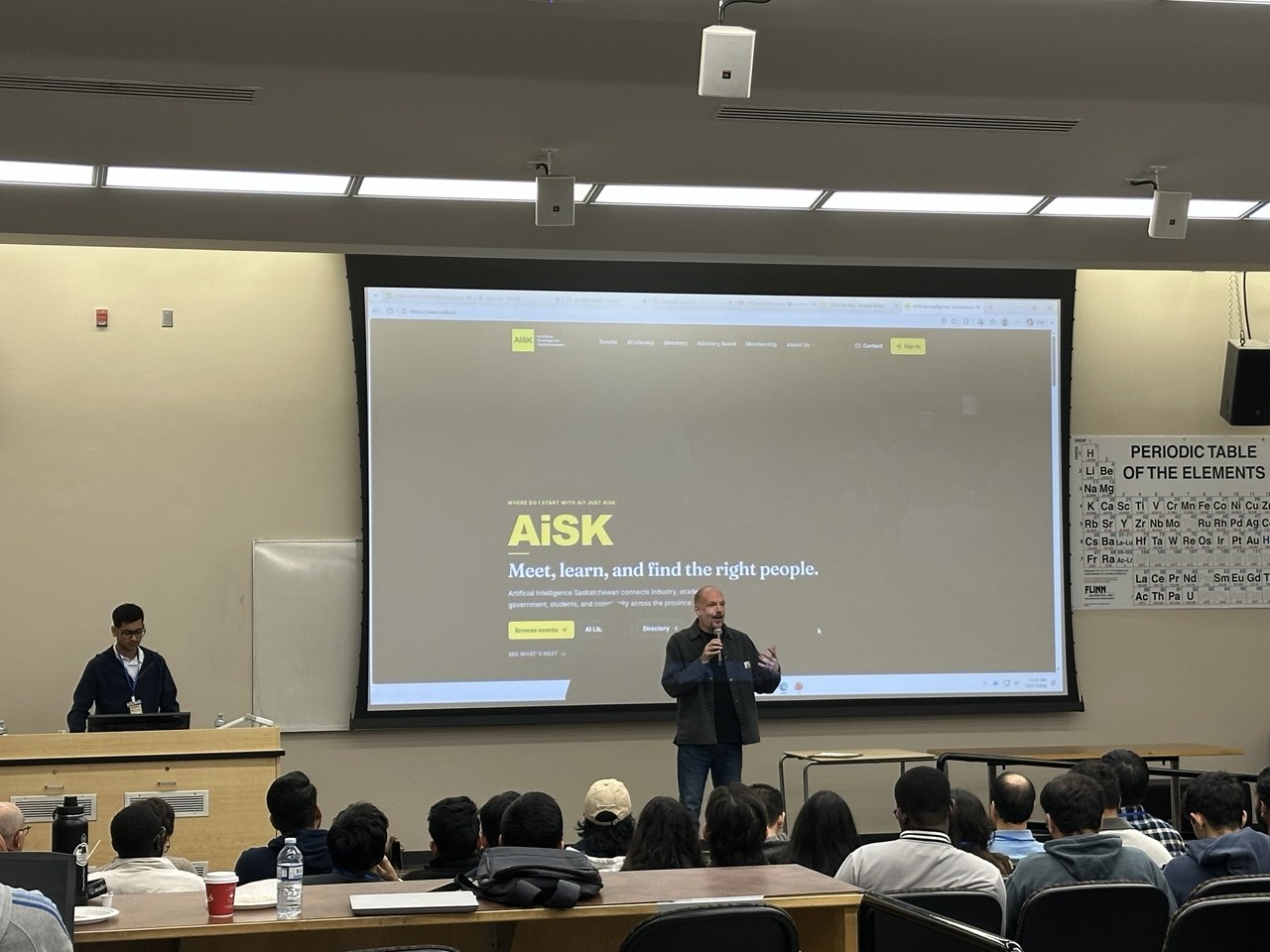
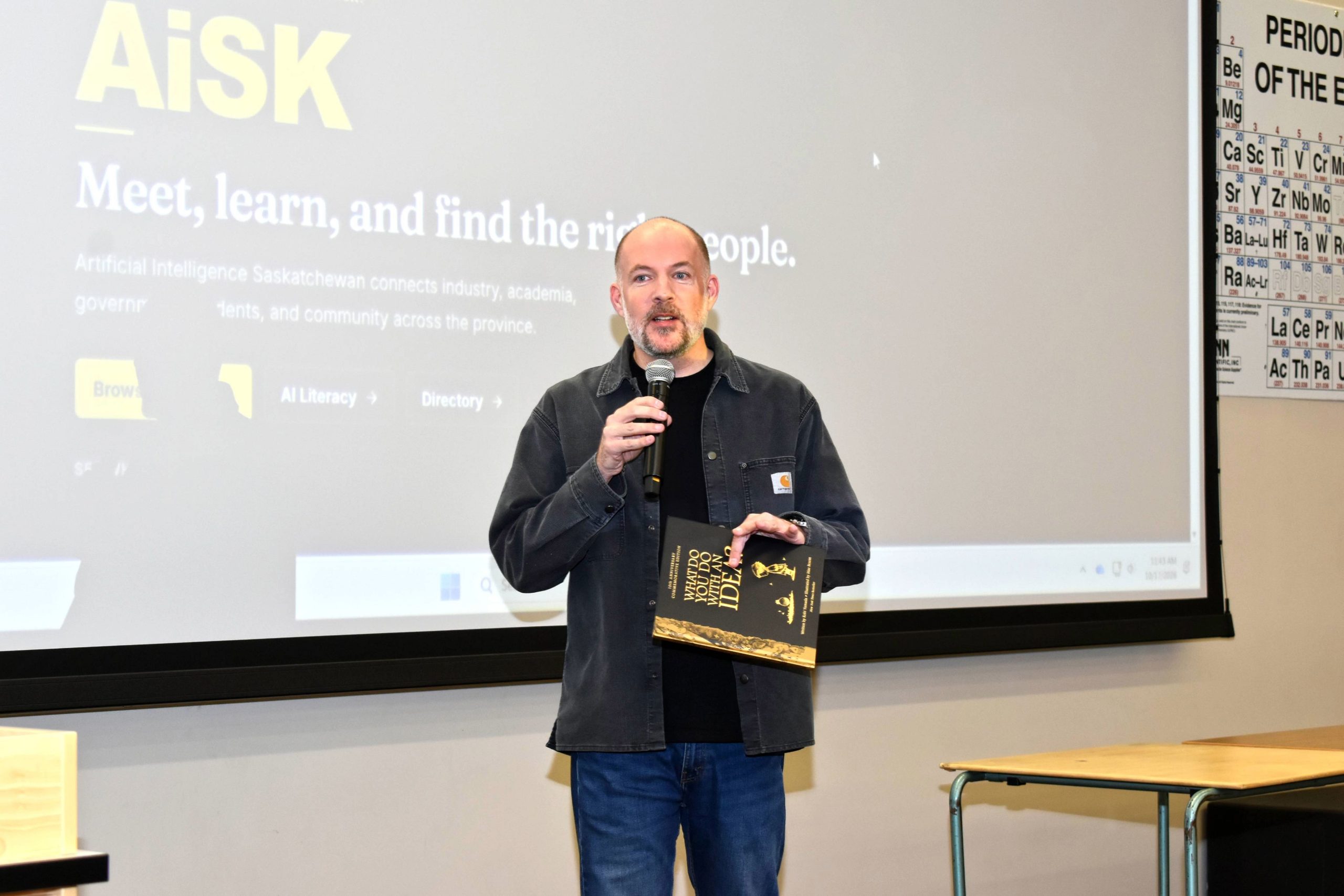
The final morning presentation was delivered by Alex Fallon, founder of AiSK (AI Sask), an initiative supporting AI awareness, collaboration, and community development across Saskatchewan.
Alex provided an update on AiSK’s activities and upcoming initiatives for 2027, including opportunities for students and Computer Science professionals to become more involved in the province’s growing AI community.
He also offered a preview of the upcoming SASK AI EXPO, inviting community input on potential speakers and topics.
Another focus of his presentation was “Datanomics,” an initiative exploring the value of data in an increasingly AI-driven world.
His presentation highlighted opportunities for collaboration, professional development, and community participation in Saskatchewan’s evolving AI ecosystem.
Lunch Break: Connecting the Technology Community
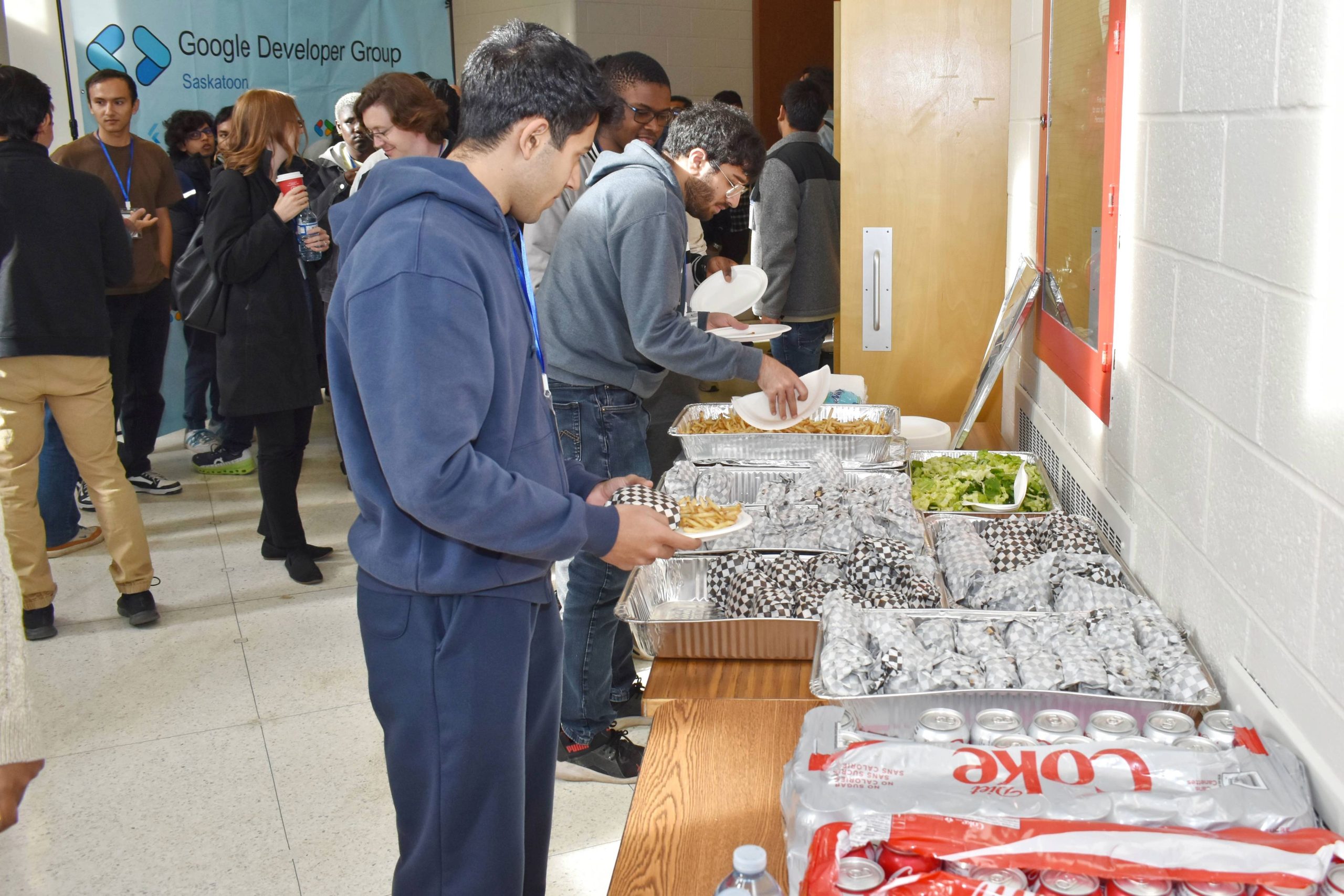
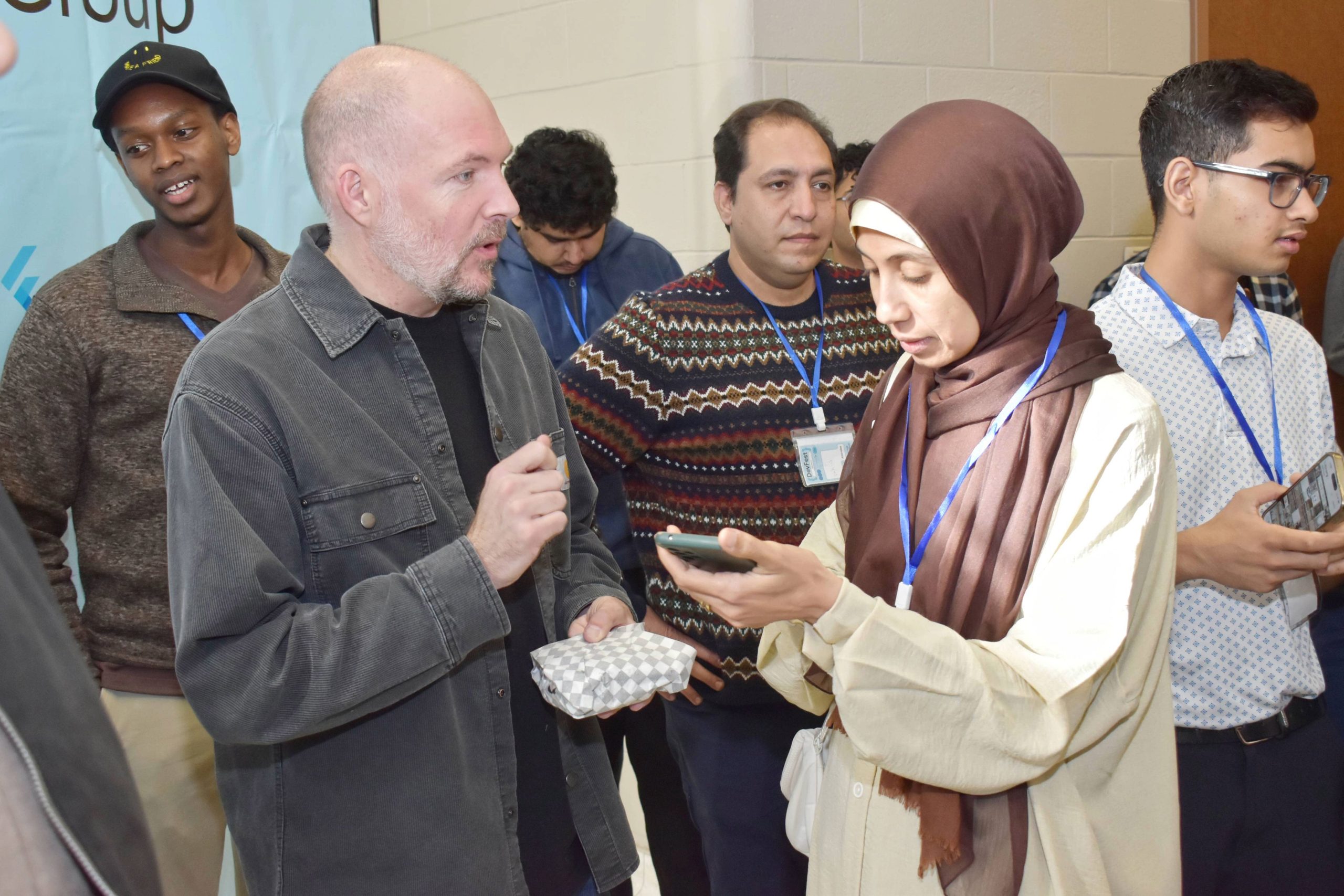
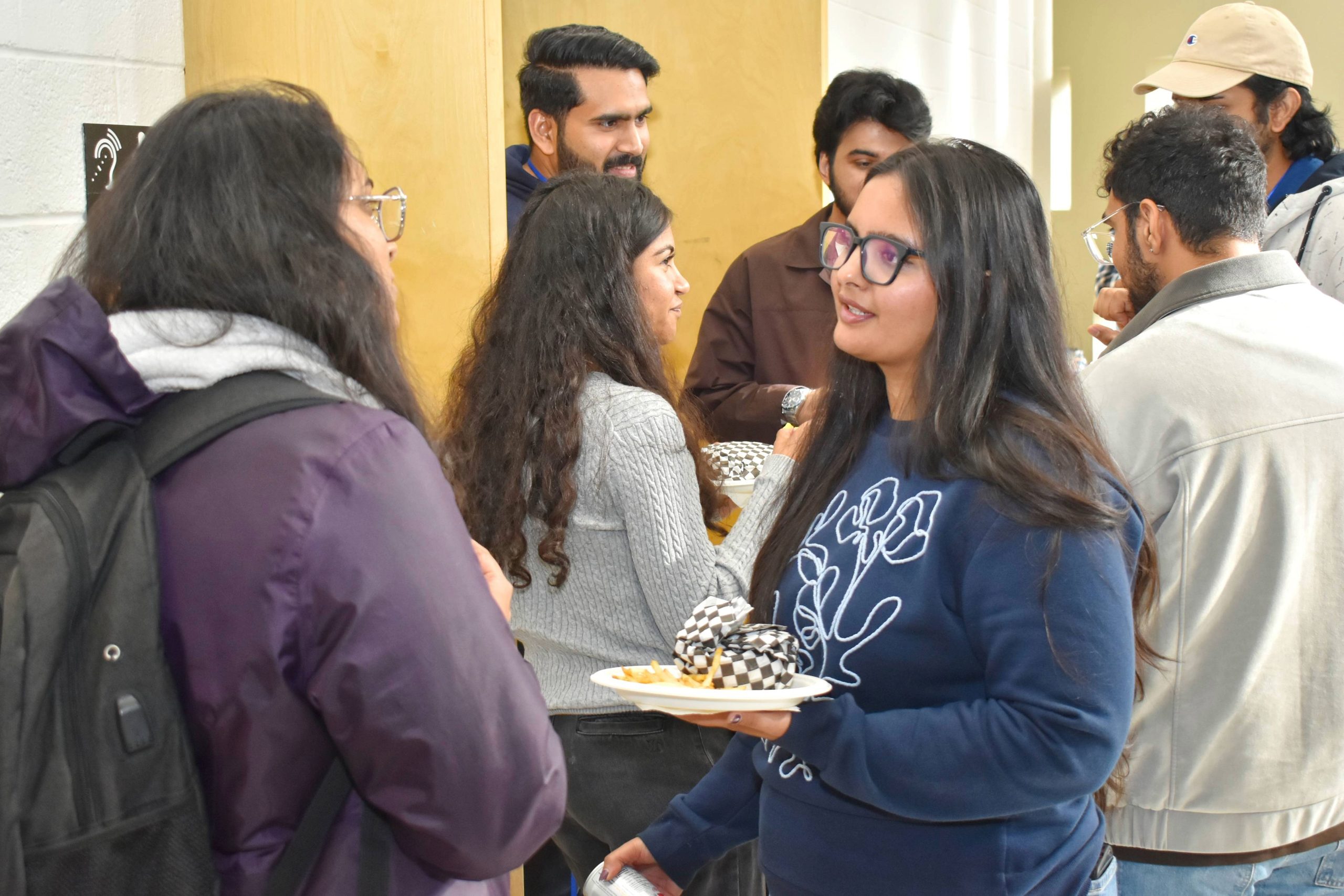
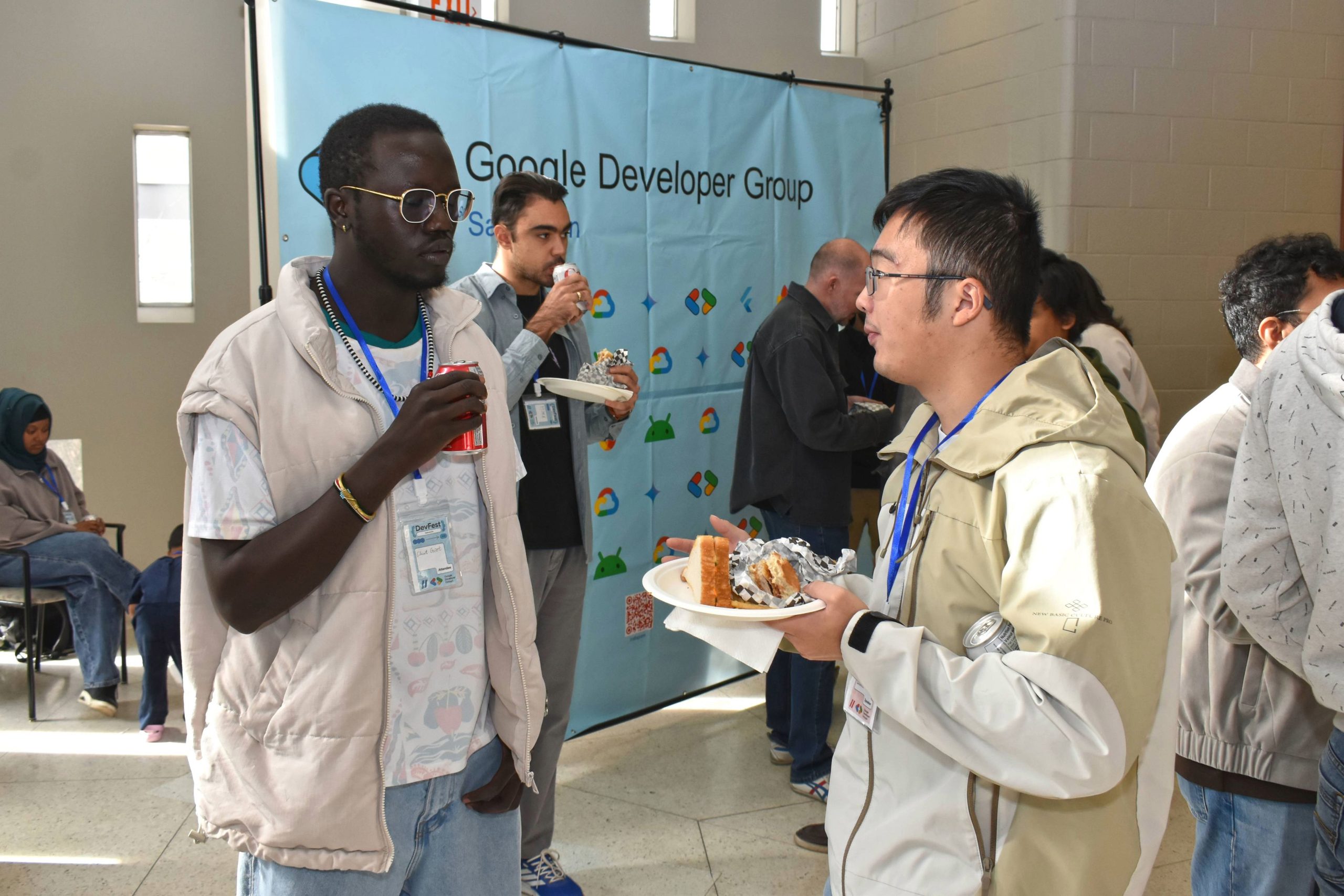
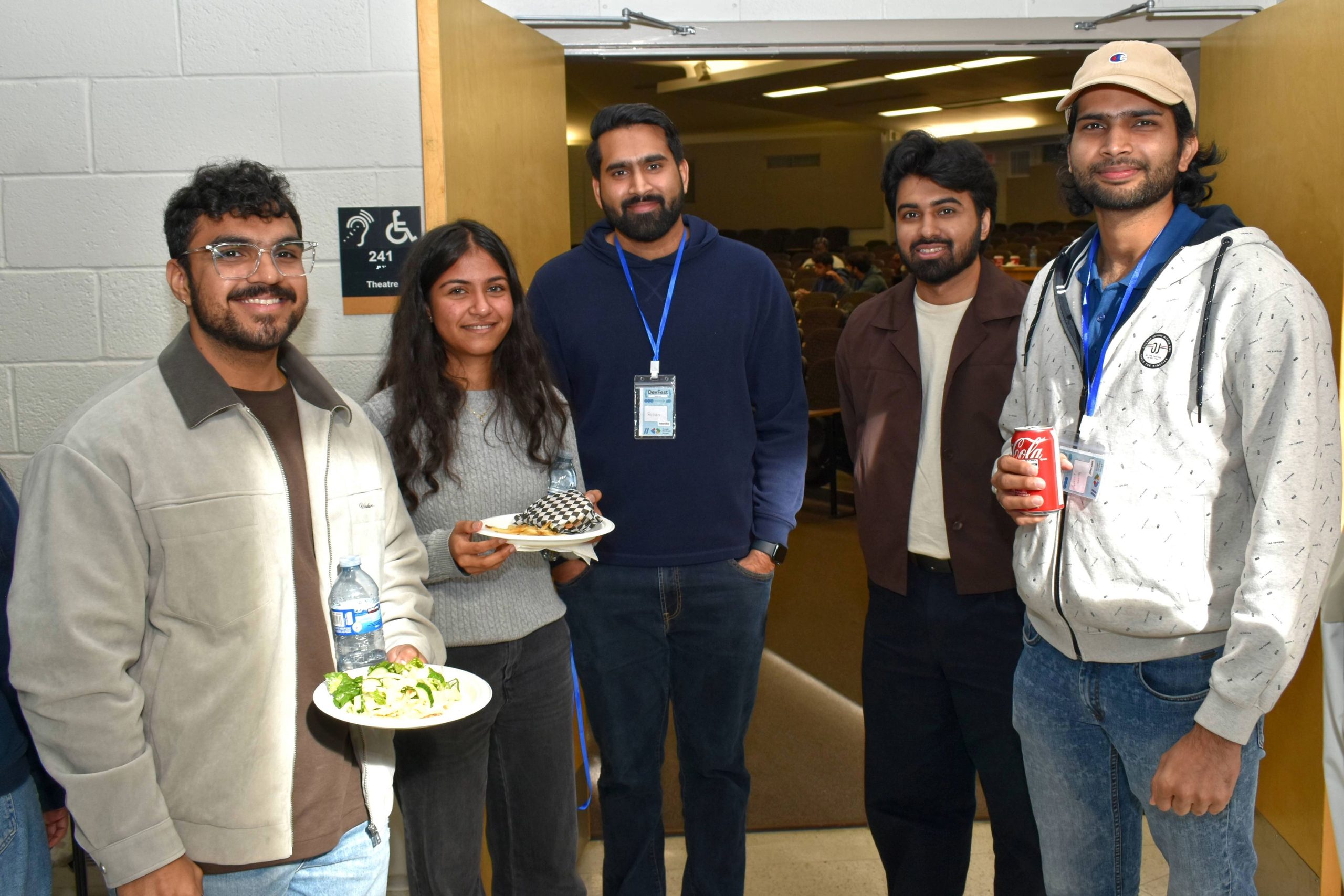
Following the morning presentations, participants gathered for lunch and informal networking.
The lunch break provided an opportunity for attendees to connect with speakers, meet professionals from the technology industry, discuss the topics introduced during the morning sessions, and build relationships with fellow students and developers.
Beyond the technical presentations, these conversations reflected one of DevFest’s central goals: bringing people together to share knowledge, exchange ideas, and strengthen the local technology community.
Afternoon Session: AI’s Future, Cloud Infrastructure, and Hands-On Development
The afternoon program continued with three sessions covering the future of artificial intelligence, the infrastructure required to deploy AI responsibly at scale, and the practical development of cloud-hosted AI agents.
Parvez Mahbub – Is AI Going to Take Over the World by the End of This Decade?
Speaker: Parvez Mahbub
Position: Software Development Engineer II, Amazon
Format: Virtual Presentation
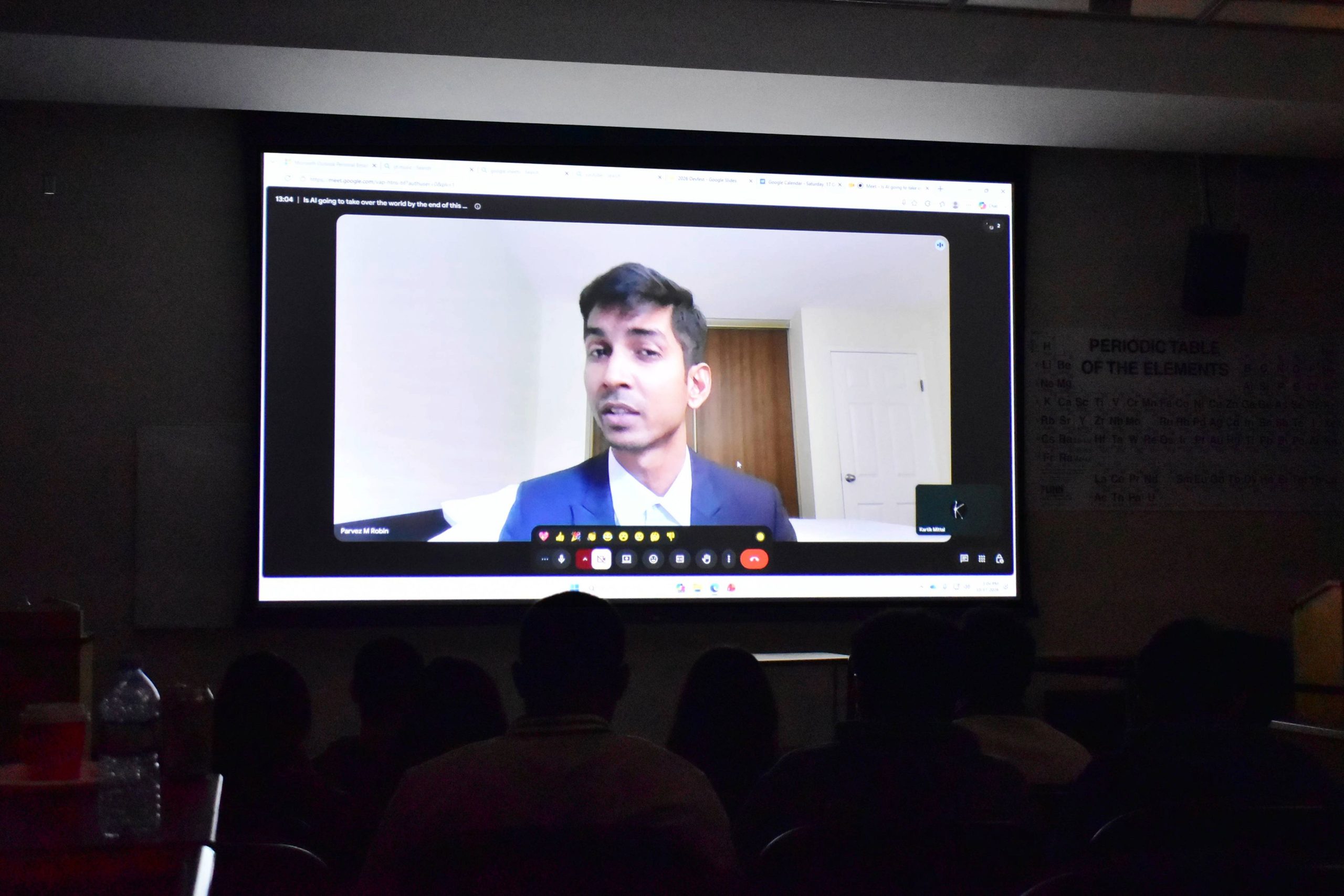
The afternoon session began with a virtual presentation by Parvez Mahbub, who addressed one of the most widely discussed questions surrounding artificial intelligence: “Is AI Going to Take Over the World by the End of This Decade?”
Moving beyond sensational headlines and speculation, Parvez examined the capabilities and limitations of generative AI from a fundamental architectural perspective.
His presentation also explored important considerations surrounding AI security, guardrails, governance, and the responsible development of increasingly capable AI systems.
The session encouraged participants to think critically about the future of AI, distinguishing current technological capabilities from predictions about what may become possible in the coming years.
Shefali Victors – Behind the AI: Building Production-Ready Cloud Platforms
Speaker: Shefali Victors
Position: Google Developer Expert
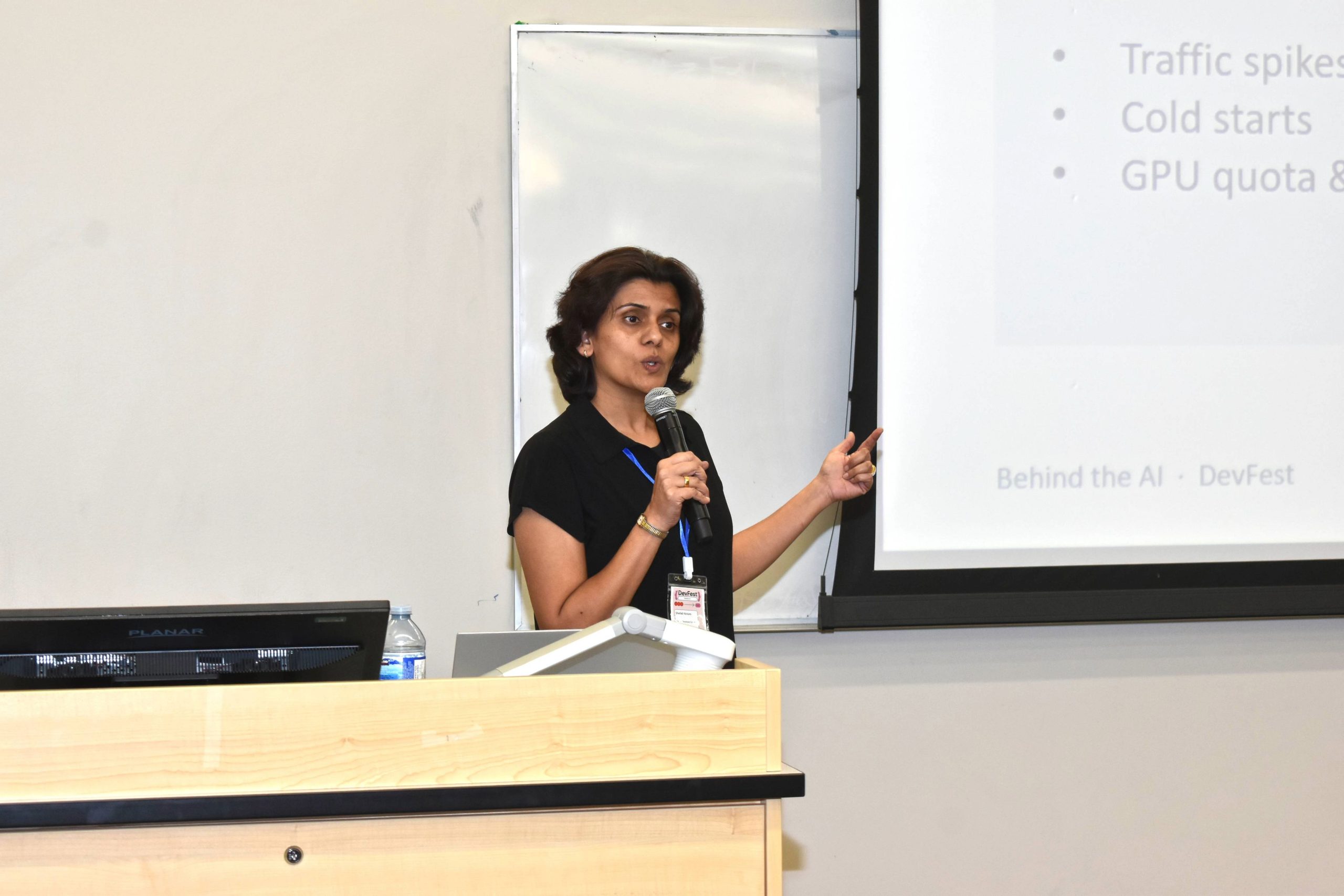
The next presentation was delivered by Shefali Victors, who explored the infrastructure and operational challenges involved in bringing AI applications from prototypes into production environments.
In her talk, “Behind the AI: Building Production-Ready Cloud Platforms,” Shefali emphasized that successful enterprise AI adoption requires more than powerful models. Organizations must also develop reliable, secure, scalable, and cost-effective infrastructure.
She discussed practical architectural approaches and operational considerations for deploying enterprise AI workloads on Google Cloud, including the use of Vertex AI, Cloud Run, and Google Kubernetes Engine (GKE).
The presentation also addressed data privacy, AI guardrails, operational resilience, and cost governance, offering participants a broader understanding of what is required to operate AI systems responsibly in real-world environments.
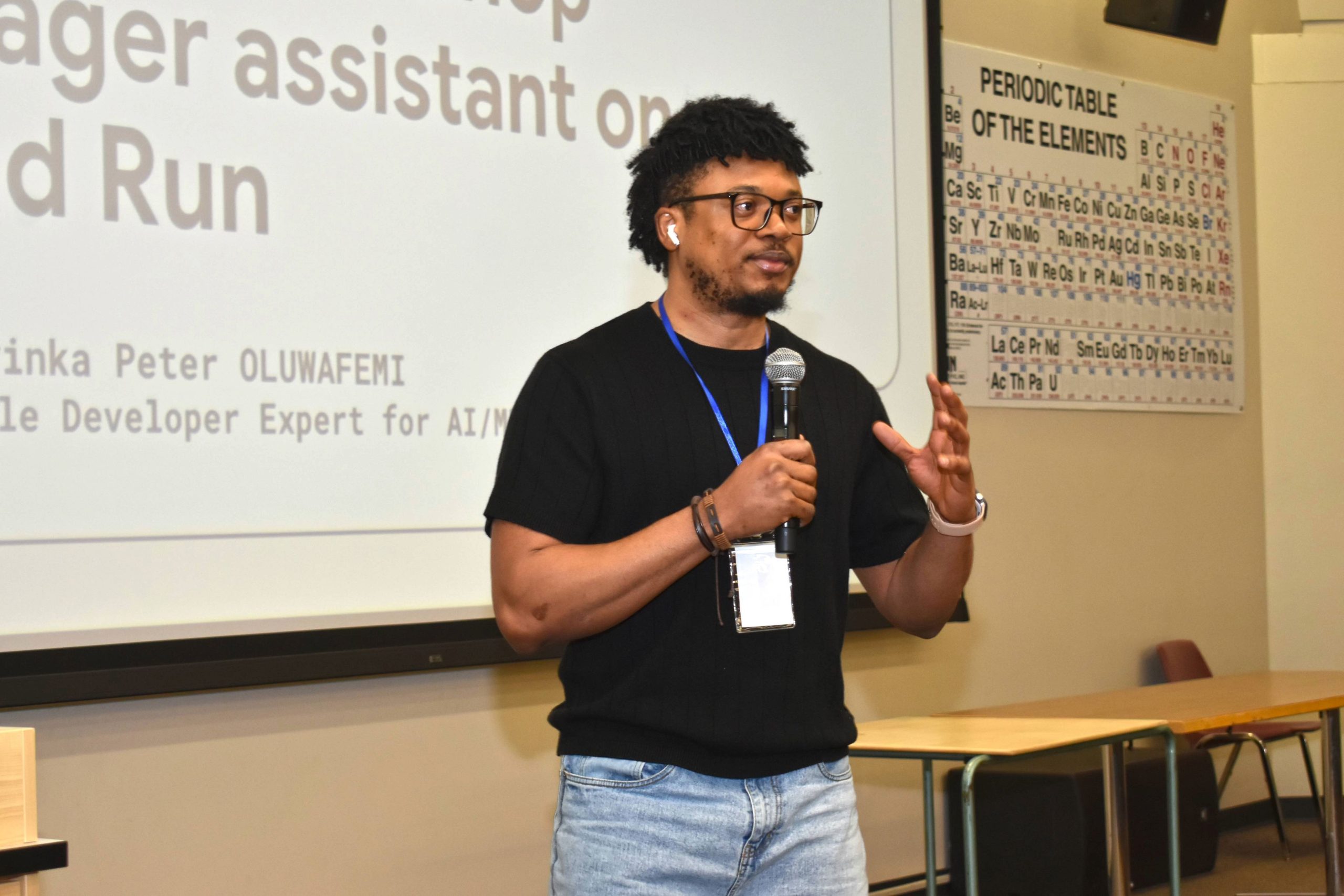
Olayinka Peter Oluwafemi – Hands-On Workshop: Run a Personal Agent on Cloud Run
Speaker: Olayinka Peter Oluwafemi
Position: Senior Machine Learning Engineer and Google Developer Expert for Machine Learning
The final session of DevFest Saskatoon 2026 was a hands-on workshop led by Olayinka Peter Oluwafemi.
Titled “Run a Personal Agent on a Cloud Run Service (Coffee Shop Manager Assistant),” the workshop introduced participants to the development and deployment of an AI-powered personal agent using Google Cloud Run.
Through a practical codelab, participants explored how a cloud-hosted AI agent could support real-world workflows in the context of a coffee shop management assistant.
The workshop provided an opportunity to connect the concepts discussed throughout the day with practical implementation, highlighting how scalable AI agents can be deployed using modern cloud technologies.
Closing Remarks and Appreciation
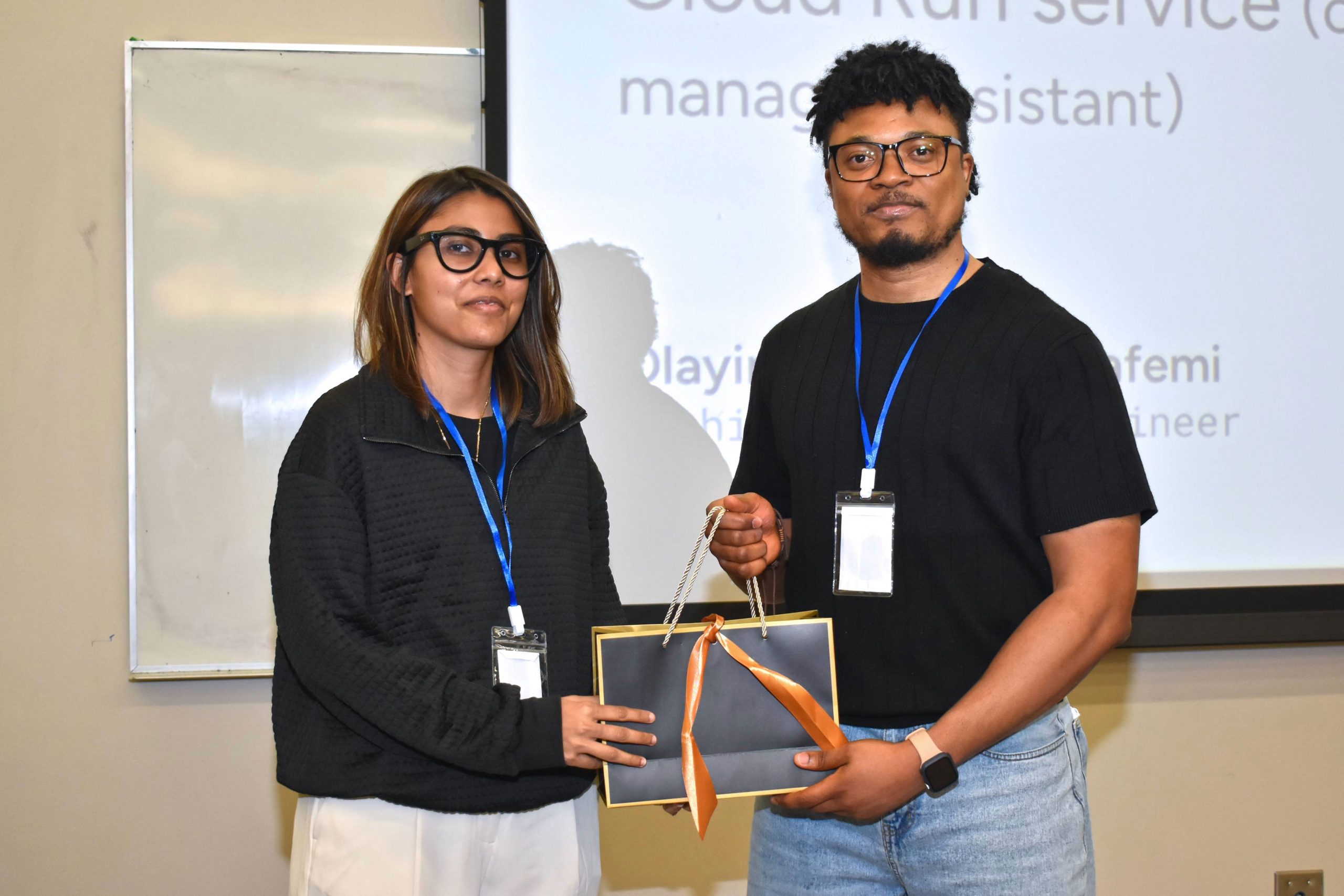
DevFest Saskatoon 2026 concluded with closing remarks and a moment of appreciation for the individuals and organizations that contributed to the event.
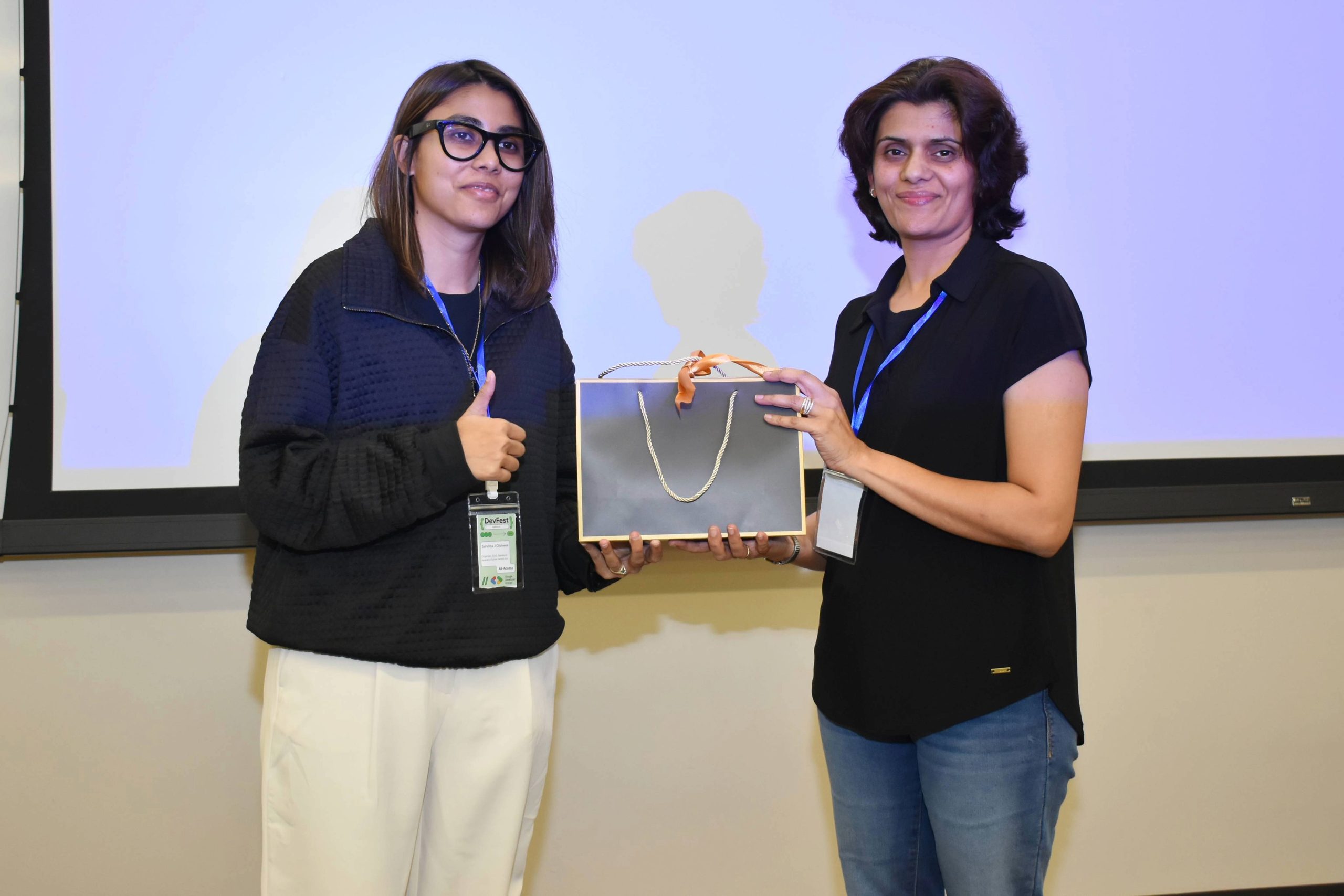
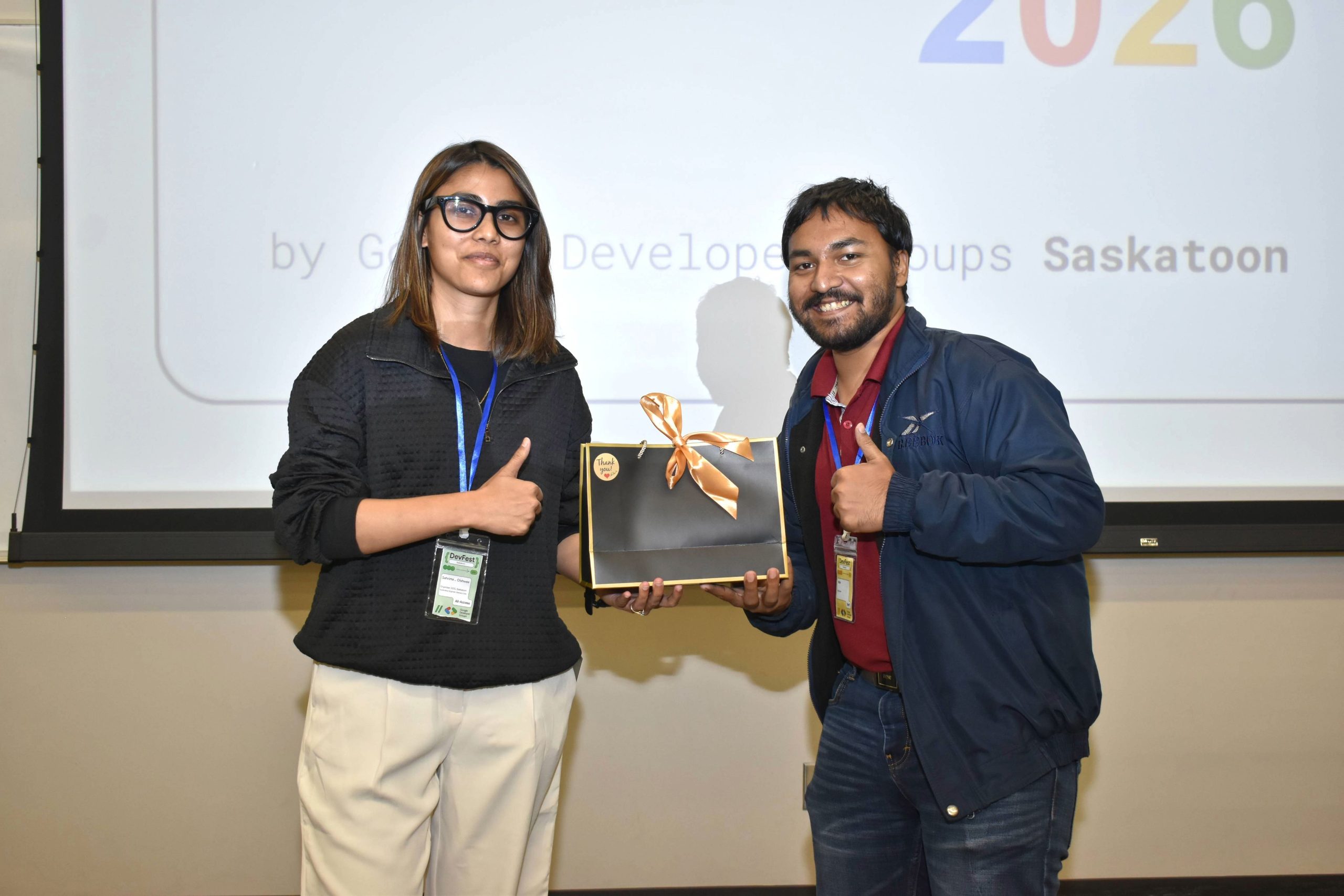
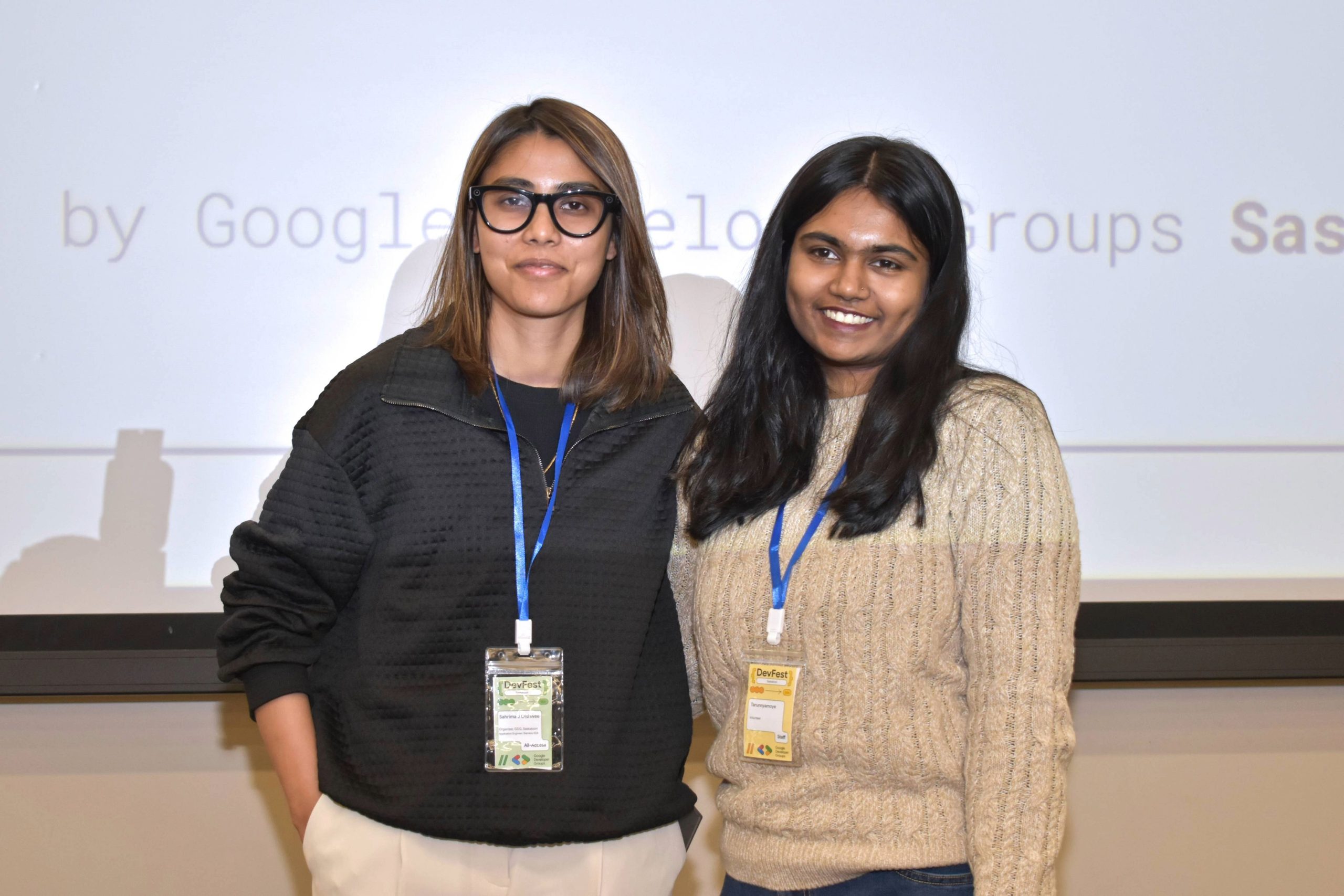
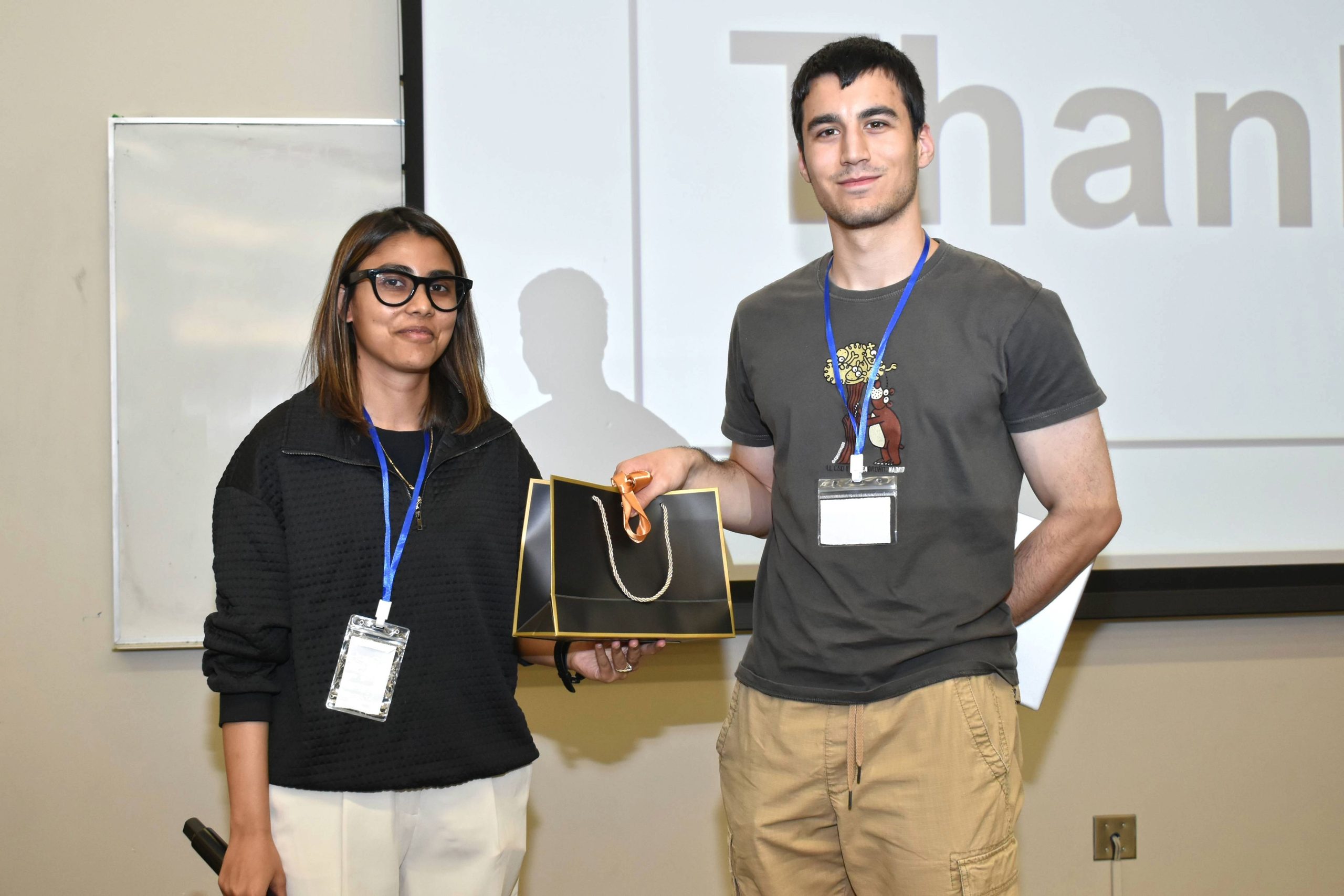
As part of the closing activities, gifts were presented to volunteers, partners, and organizers in recognition of their time, dedication, and support.
The event demonstrated the importance of collaboration between student organizations, developer communities, and industry professionals in creating opportunities for technical learning and professional networking.
Thank You For for Making DevFest Saskatoon 2026 a Success!
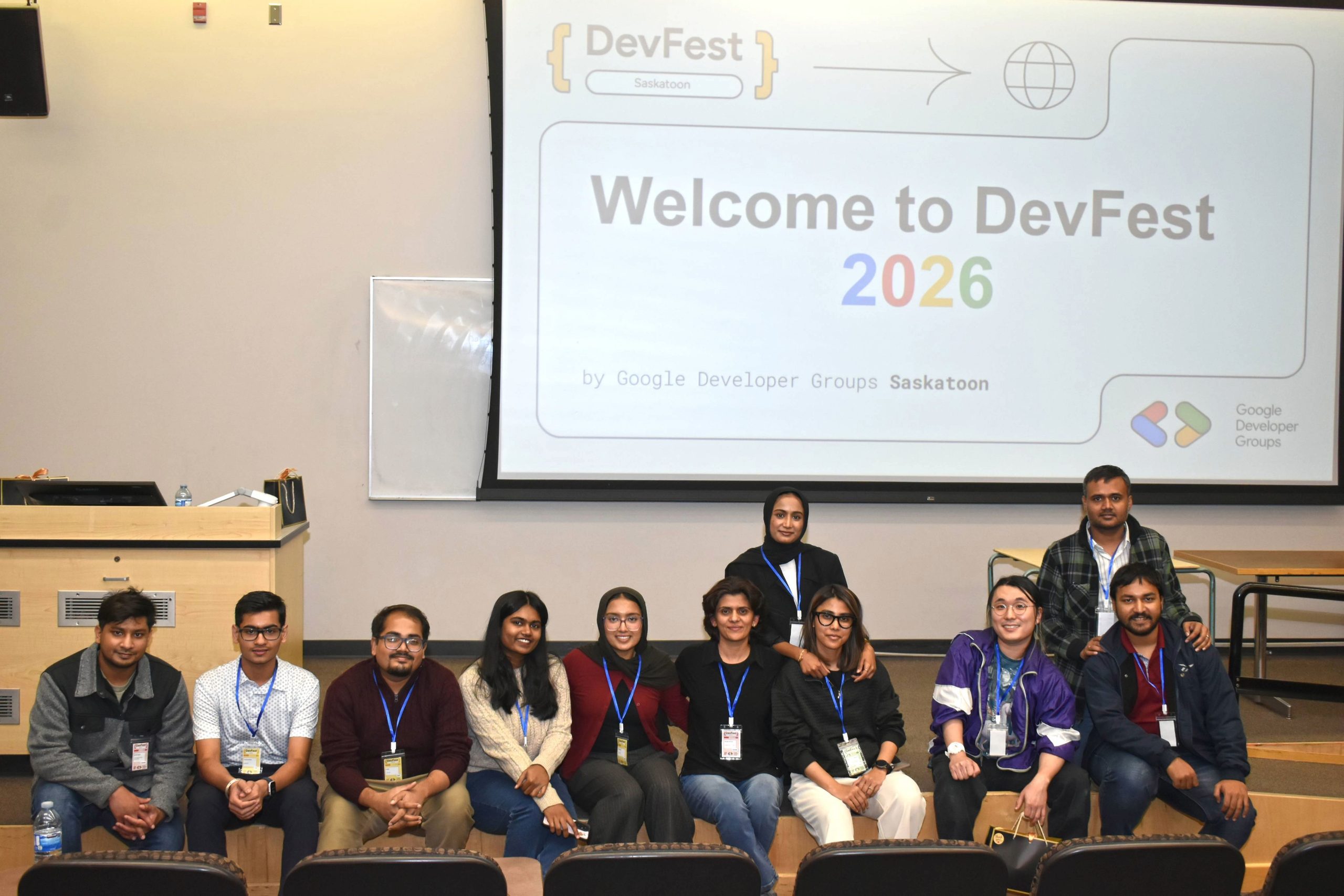
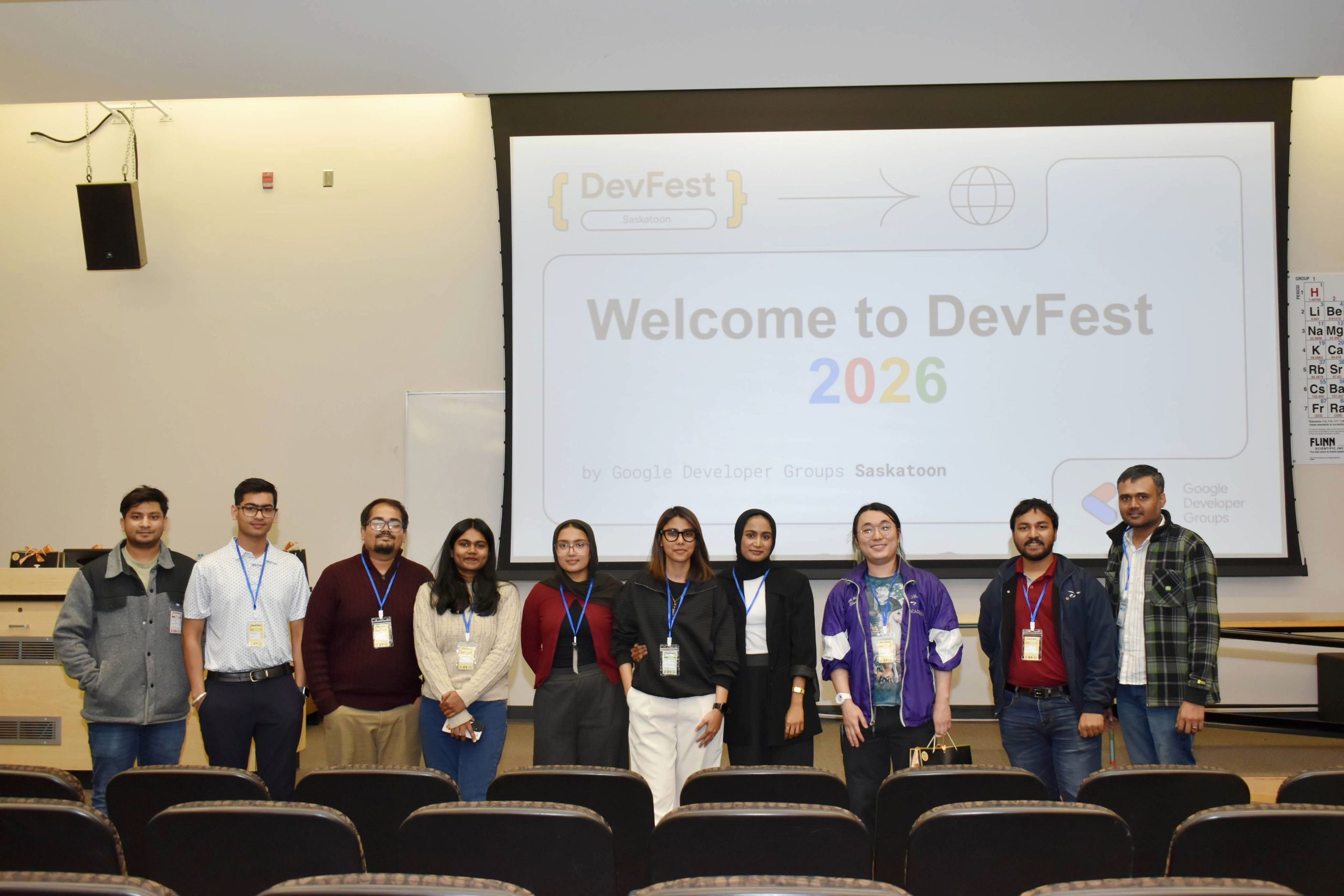
The Computer Science Graduate Council (CSGC) extends its sincere appreciation to Google Developer Groups (GDG) Saskatoon for partnering with us to organize this event.
We are also grateful to all six speakers for sharing their expertise, experiences, and perspectives with our community.
Special thanks go to the volunteers, organizers, and partners whose contributions helped make the event possible.
Finally, we thank the more than 100 participants who joined us, engaged in discussions, asked questions, and contributed to the welcoming and collaborative atmosphere throughout the day.
We look forward to continuing our collaboration with GDG Saskatoon and organizing more events that connect students, researchers, developers, and industry professionals.